Leave Your Message

Blog

7 Tips for Choosing the Right Square Tube?

7 Tips for Choosing the Right Square Tube?

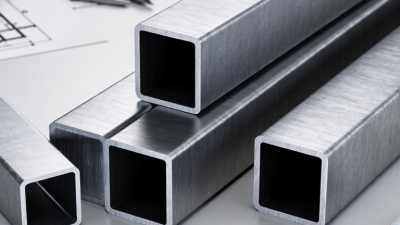
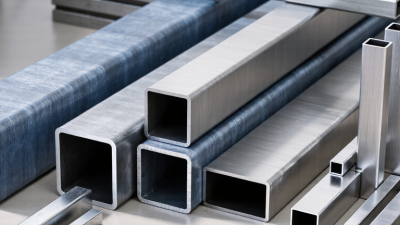
Picking the right square tube isn't just about matching the outside dimensions, you know? Sure, a 40mm tube might look perfect on paper, but the wall thickness, corner radius, and steel grade can really make or break the fit and performance. Think about where you're actually going to use it. For example, a shelving frame inside a dry space is one thing, but a support that's out in the elements or constantly vibrating? That's a whole different ballgame. Believe me, the little details add up. So, take a moment to measure the available space, figure out the likely loads, and think about how you'll cut, join, and finish the tube. That'll save you headaches down the road. Got a tube selection to make? This guide walks you through seven practical checks to help you sidestep surprises. We'll dip into material, dimensions, tolerances, surface condition, and supplier paperwork. And sure, a Cold Rolled Carbon Steel Square Tube can offer that smooth finish and consistent sizing, but whether it's the right fit really comes down to your application and the specs you're after. So, when you need traceability, make sure you ask for the grade and dimensional tolerances, and take a look at the mill test certificate. And don't forget to inspect the cut ends of samples for any burrs, uneven walls, or damage. These little clues aren't a substitute for formal testing, but they can definitely help you ask the right questions. I personally wouldn't assume a heavier tube is always safer – the extra weight can bite you in terms of cost, handling, and assembly. Also, just because a surface is polished doesn't mean it's protected against corrosion. Before you place that order, go over the requirements again and double-check the critical measurements with the supplier. Honestly, a little doubt is a good thing—it can surface stuff the drawing doesn't tell you.
Read more »
Clara By:Clara - November 12, 2026
2026 Best Cold Rolled Steel Suppliers for Global Buyers

2026 Best Cold Rolled Steel Suppliers for Global Buyers

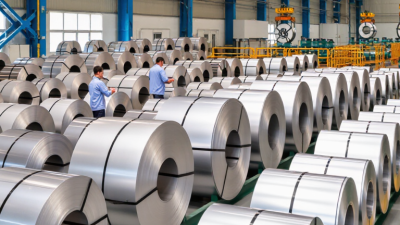
When you're picking a steel supplier, price isn't the whole story—not even close. If you're buying globally, you quickly learn that consistent quality, reliable shipping, and clear communication matter just as much. So in 2026, we're digging into Cold Rolled Steel suppliers and the nitty-gritty details that really sway purchasing decisions. Things like coil thickness, width, surface condition, and even packaging can make or break how smoothly everything runs once it lands on your dock. Look, details matter — and so does documentation. A supplier you can actually rely on should be willing to walk you through their inspection process, share the relevant mill test certificates, and be upfront about production and delivery timelines. As a buyer, don't just trust a polished website. Verify certifications and product claims yourself. Availability can also shift depending on grade, quantity, and destination, so those published lead times? Worth double-checking. When you're sourcing Cold Rolled Carbon Steel Plate Tolerances, it's easy to get hung up on one impressive feature. But this guide looks at the bigger picture — supplier capabilities, product range, service, and export readiness — without treating any single thing as proof of quality. Before you place an order, though, make sure you've confirmed the applicable standard, measurement method, and permitted deviations with the supplier. It's one of those details that can save you headaches later. Honestly, if surface finish or dimensional accuracy really matters, don't just take their word for it—ask for representative samples. Tiny differences can bite you later. A supplier's profile can look great on paper, but one vague tolerance or sloppy packing detail might throw your whole schedule off track. So yeah, you've got to check. Use this overview to get started, then dig into each supplier against your own specs, inspection criteria, and delivery deadlines.
Read more »
Madeline By:Madeline - November 9, 2026
Who Is the Best Stainless Steel Rod Supplier in China?

Who Is the Best Stainless Steel Rod Supplier in China?

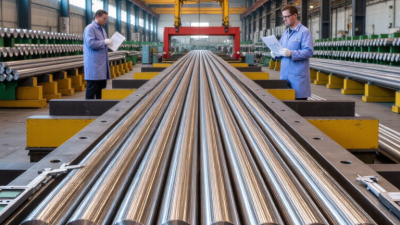
Finding the right stainless steel rod supplier in China isn't just about who's got the cheapest quote. You've gotta dig into things like alloy grades, tolerances, surface finish, and their production capacity – not to mention inspection records. Sure, a nice sample is great, but honestly, it doesn't guarantee that every single batch will be up to snuff. So, materials scientist Michael F. McGuire wrote about stainless steels, and he's got a point that really sticks with me: 'Verify the material and its processing, not just the grade printed on the paperwork.' That's a practical lesson, right? Basically, when you're dealing with suppliers, you should ask for mill test certificates, make sure you have heat-number traceability, and also get the latest inspection data. Don't just take their word for it. Before you place a bulk order for those 16mm stainless steel rods, just double-check the diameter tolerance, straightness, and finish against your application. You know, details matter – they really do. You know, a supplier worth their salt should be able to answer your technical questions without any runaround, and they should be upfront about how they'd deal with a batch that doesn't meet specs. And hey, when you're checking out samples, don't just focus on the sample itself—look at how their actual production line works, because that's where the real consistency shows. Nobody's perfect, right? Even the most carefully vetted supplier list can slip up and let a bad batch through. So if the order really matters, it might be smart to do your own independent check. This guide is basically about how to size up Chinese suppliers—by looking at how consistent their products are, how well they document things, whether they communicate clearly, and if they deliver on time, which honestly is half the battle. Honestly, it's not about just picking the cheapest one or crowning a winner based solely on price—that's way too simplistic. What we're really trying to do is give buyers a solid, evidence-backed reason for their choice, something they can actually look at and verify for themselves.
Read more »
Clara By:Clara - November 4, 2026
How to Choose 316L Stainless Steel for Your Project?

How to Choose 316L Stainless Steel for Your Project?

Look, choosing 316L stainless steel really comes down to what your project is up against—not just whatever label a supplier slaps on their website. Is the part going to deal with salt spray, harsh cleaning chemicals, constant moisture, or big swings in temperature? Those kinds of details matter. They determine whether 316L is even the right call, and also what finish or fabrication approach makes sense. The reason 316L gets so much love is the molybdenum in it—that's what gives it better resistance to pitting and crevice corrosion compared to run-of-the-mill 304. Plus, since it has less carbon, it’s not as prone to sensitization during welding — but you still gotta stick to the right procedures and clean up afterward. And honestly, no grade is going to hold up in every environment. Sure, the alloy name matters—but honestly, it’s only the beginning. You’ve got to dig into the material certificate, product spec, thickness tolerance, surface finish, and any forming or welding requirements. And don’t underestimate the finish. A polished surface is way easier to keep clean, whereas a rougher one can trap all sorts of junk. It’s the little things that end up biting you. Even with the right material, chloride exposure, standing water, or lousy drainage can still cause headaches. So if you’re dealing with a demanding application, do yourself a favor and run it by a qualified materials professional. They’ll catch stuff you might miss. Also, double-check that what you’re actually getting really matches the spec you need — catalog names can be all over the place. You might run across something like “316l Stainless Steel Stainless Steel” in a search, but just because the wording is repeated doesn’t make it a technical grade or proof of what the material actually is. The reliable move? Compare the documented properties against your project requirements, not the product title. Choosing a material isn't just about picking what looks good on paper. You've got to juggle corrosion resistance, how easy it is to get, what it takes to fabricate, how long it'll last, and of course, the price tag. Honestly, it can take a bit more digging than you'd think — but that extra pause is a good thing, not a waste of time, before you lock anything in.
Read more »
Sophie By:Sophie - October 30, 2026
Top 10 Types of Cold Rolled Steel for Global Buyers

Top 10 Types of Cold Rolled Steel for Global Buyers

Picking the right cold rolled steel? It can really affect product quality, how fast you can produce, and what you end up paying over time. Most global buyers will compare grades, finishes, thicknesses, and delivery terms before they sign off on a supplier. But honestly, the market isn’t that straightforward. A bright surface can look great—meanwhile, some hidden dimensional variation might cause trouble when you’re stamping or fabricating. So, this guide takes a look at ten of the most common types of cold rolled steel you'll run into—things like automotive parts, appliances, construction components, electrical cabinets, and precision manufacturing. We'll go over low-carbon steel, galvanized options, high-strength grades, and specialty products made for tougher jobs. Each type brings something different to the table. Some are great for formability, while others are better when you need stronger structures or a really tight surface finish. Also, don’t overlook Cold Rolled Carbon Steel Plate Tolerances. They’re definitely worth a closer look—especially when parts need to bend, weld, or assemble accurately. If you're an experienced buyer, it's worth digging into things like mill test certificates, inspection reports, coating details, and how everything gets packaged. Sure, ASTM, EN, and ISO references can help you make clearer comparisons, but honestly? Standards alone won't guarantee that something will perform well. Supplier capability matters a lot. And so does traceability. At the end of the day, it's the details that decide the outcome. When you're actually evaluating steel, you really need to match the grade to what it'll face in service—stuff like forming depth, how much corrosion it'll see, and what equipment you have on hand. This article isn't trying to crown one universal winner. Rankings can help, sure, but they can also flatten out what a buyer actually needs. Even seasoned teams sometimes miss things like edge quality, coil shape, or how humid the storage is. And those little issues? They can get expensive fast once the shipment's out the door. If you're sourcing overseas, the stuff that really makes it reliable hasn't changed: get your specs right, test samples, and just talk directly with your suppliers. Honestly, those basics still matter a lot.
Read more »
Sophie By:Sophie - October 25, 2026
How to Choose the Right Steel Sheet Piles for Your Project

How to Choose the Right Steel Sheet Piles for Your Project

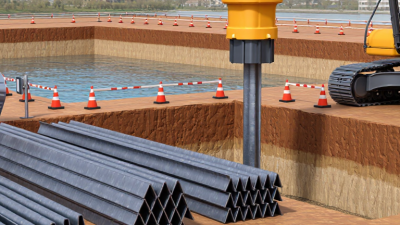
So, picking the right Steel Piles Sheet? That starts with actual evidence—not just guesswork. Soil strength, groundwater, wall height, driving conditions, and corrosion exposure should all shape your choice. Because a pile that looks economical on paper can turn costly fast—like when refusal hits at five metres, or an unexpected cobble damages the interlock. So, the Federal Highway Administration’s Design and Construction of Driven Pile Foundations—FHWA-NHI-16-009—really leans on site investigation, drivability analysis, and keeping an eye on things during installation. The basic idea is pretty practical: whatever section you pick has to fit both what the structure needs and what can actually be built out there. And the European Federation of Foundation Contractors? They point out that driven pile work comes with risks like vibration, noise, and possible effects on nearby structures. Honestly, those factors can end up changing what counts as the best profile or length—and even the installation method might need to be different. As Professor Harry G. Poulos once put it, “The design of piled foundations is still more of an art than a science.” And honestly? That still rings true today. Just think about how engineers weigh U-sections against Z-sections, pick a steel grade, or decide between recycled and temporary systems. There’s a lot going on. So project teams really need to check the manufacturer's data, corrosion allowances, connection details, and the local geotechnical conditions. Standards like ASTM A857/A857M and EN 10248 are handy—they give you material and dimensional references—but they can’t replace good field judgment. Honestly, if you want a decision you can actually trust, you've got to do a few things: run trial driving, check the penetration resistance records, and inspect the interlocks. It's those small assumptions that sneak up on you. Miss a shift in groundwater, for example, and the whole design can get thrown off. Rush the call, and it might look fine on paper—calculations all pass—but then it falls apart when it hits the construction schedule. So the best Steel Piles Sheet solution? It's the one backed by real tested data, a review from someone who's actually been there, and a clear-eyed nod to what we still don't know.
Read more »
Clara By:Clara - October 22, 2026
Who Are the Top Stainless Steel Sheet Suppliers in China?

Who Are the Top Stainless Steel Sheet Suppliers in China?

China has turned into a big sourcing hub for Stainless Sheets these days—covering construction, food equipment, energy, transportation, and all sorts of industrial fabrication. But picking a supplier? That takes a lot more than just comparing prices online. A shiny surface can easily hide uneven thickness, weak traceability, or inconsistent edge quality. So buyers really need to look at mill certificates, production records, surface finish, dimensional tolerance, and export experience. Markus Moll, an international stainless steel market analyst, puts it plainly: “A supplier’s real value appears when market conditions become difficult.” That idea pretty much shapes how we look at companies like TISCO, Baosteel, Tsingshan, JISCO, and Ningbo Baoxin. They’re not all the same. Some are great at large-volume cold-rolled coils. Others do better with precision grades, custom widths, or smaller production runs. A serious comparison has to weigh both strengths and limitations. The strongest suppliers usually give you clear grade identification, stable lead times, responsive technical support, and documentation you can trace. A sample coil should show consistent 2B, BA, or brushed finishing under direct light. Small details matter—yes, even packaging. Moisture-resistant wrapping and reinforced steel straps can prevent damage during long-distance transport. No ranking is perfect. Buyer requirements change, and supplier performance can vary from batch to batch. That’s the uncomfortable part. So this guide treats reputation as evidence, not proof. It pulls together manufacturer capability, customer experience, quality controls, and practical delivery records to identify China’s most dependable Stainless Sheets suppliers.
Read more »
Madeline By:Madeline - October 19, 2026
Top 10 Types of 201 Stainless Steel for Global Buyers?

Top 10 Types of 201 Stainless Steel for Global Buyers?

So, how do you pick the right 201 steel? It's not just about comparing price tags or how shiny the surface looks. Global buyers still need to dig into chemistry, temper, thickness, finish, formability, and how much corrosion exposure the part will face. In practice, '201 stainless steel' can mean several product forms: sheets, plates, coils, strips, tubes, welded pipes, decorative panels, and precision components. And each form acts differently when you're cutting, bending, stamping, welding, or installing it. Corrosion specialist Dr. Frank Altmeyer offers a helpful reminder: 'Stainless steel isn't maintenance-free; how it performs depends on the conditions.' That idea really matters when you're comparing 201 Grade Stainless Steel Coil for kitchen equipment, architectural trim, transport interiors, or light industrial use. A bright 2B surface might be perfect for one project, while a brushed finish could hide fingerprints better. Small details matter. This guide looks at ten common types of 201 steel for international purchasing teams. It focuses on practical differences, not just catalog labels. Before buying, check mill certificates, dimensional tolerances, mechanical properties, surface quality, and packaging protection. Supplier experience deserves a close look too. A low quote can turn expensive fast if thickness is inconsistent, edges get damaged, or forming becomes a struggle. Some distinctions are easy to miss. 201 steel isn't a universal substitute for 304 stainless, especially in aggressive chloride environments. That limitation deserves honest attention. Your product choice should reflect actual service conditions, expected maintenance, and the way you'll fabricate it. The best choice is rarely the most attractive option on paper. It's the grade and form that performs reliably after delivery, processing, and long-term use.
Read more »
Clara By:Clara - October 16, 2026
7 Best Steel Sheet Piles for Global Buyers in 2026?

7 Best Steel Sheet Piles for Global Buyers in 2026?

Honestly, choosing the right steel sheet pile can be the difference between a waterfront wall that holds up for decades and one that keeps eating money in repairs. This guide looks at seven leading steel sheet pile options for global buyers in 2026. We're talking section shape, steel grade, interlock performance, coating systems, availability, and installation conditions. And yes, those details really matter—whether you're working on a busy harbor, a tight excavation, or just a temporary flood barrier. The phrase Steel Piles Sheet gets used pretty inconsistently in international searches, so clear specs are still a must. Buyers should be comparing published mill certificates, dimensional tolerances, corrosion data, and project references—not just marketing claims. Big names like ArcelorMittal, Nippon Steel, JFE Steel, POSCO, and ThyssenKrupp show the range of manufacturing capability out there. But brand recognition alone? It can't replace an engineering review. Soil pressure, groundwater movement, driving vibration, and lifting access can all shift what the “best” choice actually is. Conditions vary widely—sometimes more than people expect. Our comparison leans on practical evidence, not glossy brochures. It reflects common procurement lessons from foundation and marine construction, including the headaches caused by rushed delivery checks and incomplete coating records. No single pile works for every project. That point deserves emphasis. Availability can also change by region, and some published performance claims really should be independently verified. Responsible buyers need to confirm local technical requirements, installation methods, sustainability documentation, and after-sales support before signing a contract. The seven selections below are a balanced starting point—not a substitute for site-specific structural design.
Read more »
Sophie By:Sophie - October 13, 2026
What Is Square Tube Types Uses and Specifications?

What Is Square Tube Types Uses and Specifications?

Square tube is one of those practical structural materials you'll see all over the place — frames, supports, railings, machine guards, architectural details, you name it. Because it has four flat sides, it's easier to cut, weld, drill, and line up. In a shop, a square section can sit tight against a jig, so it won't shift around as much while you're fabricating. But just looking at a tube? That won't tell you if it's actually good quality. This guide walks through common square tube types, what they're used for, dimensions, wall thicknesses, and the specs you need to pay attention to. It also compares carbon steel, stainless steel, galvanized steel, aluminum, and specialty grades. Cold Rolled Carbon Steel Square Tube, for instance, often gives you a smooth surface and accurate dimensions — great for furniture, equipment, and lighter structural projects. Hot-finished products might be a better fit for heavier jobs, depending on the grade and standard you need. Specs really do matter here. Before buying, check outside dimensions, wall thickness, length, corner radius, steel grade, surface condition, and allowable tolerances. Standards like ASTM A500 can help you verify structural tubing requirements, though the right standard depends on your project and where you are. Engineers should confirm load calculations, corrosion exposure, weldability, and connection details before material is ordered. A tube can look perfectly strong and still perform badly if the wall thickness is wrong. That difference is a big deal. Real projects also bring up issues that aren't always obvious. Cut ends may need deburring. Weld seams can affect finishing and inspection. Moisture during storage can cause early surface rust. These little details are easy to miss. And no single size fits every frame. Think of this article as a clear starting point, not a replacement for professional design review. For important purchases, product certificates and supplier test reports should back things up.
Read more »
Clara By:Clara - October 10, 2026
Stainless Steel Angle Types Sizes Grades and Uses

Stainless Steel Angle Types Sizes Grades and Uses

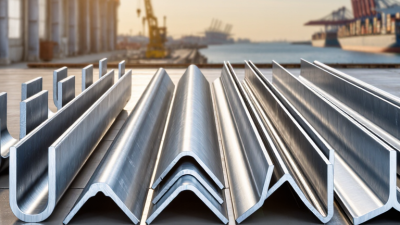
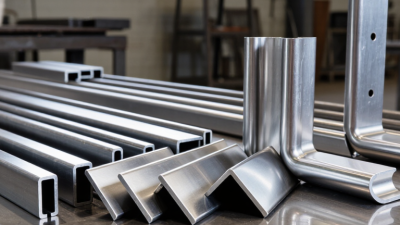
Stainless steel angles are the kind of thing that quietly hold things together—literally. They keep structures strong, clean, and stable in tough environments. You'll find them in equipment frames, platforms, architectural trim, ship interiors, and food-processing plants. And just to put the scale in perspective: the World Steel Association reported about 1.89 billion tonnes of crude steel production in 2023. That's a lot. It also shows why material selection matters, even for a small structural section. A stainless steel angle might look simple, but its grade, thickness, leg dimensions, and surface finish can make a big difference in how long it lasts. This guide walks through common angle types, standard sizes, stainless grades, and real-world uses. Equal-leg angles give balanced support; unequal-leg profiles help solve offset connection problems. Grades like 304 and 316 offer different levels of corrosion resistance. A [316L Stainless Steel Angle](https://www.xyymetal.com/316l-stainless-steel-angle) is often considered for coastal, chemical, and pharmaceutical applications, since its low carbon content helps support welded corrosion resistance. The word "often" matters here. Site conditions still decide the right spec. ASTM A276 and ASTM A479 are widely recognized requirements for stainless steel bars and pressure-related components. EN 10088 is another key reference for European projects. And the International Stainless Steel Forum's statistical publications show stainless steel's ongoing role in durable, corrosion-resistant infrastructure. Still, catalog descriptions can leave things out. They might skip weld details, tolerance limits, or finish requirements. So this article tries to connect published standards with practical purchasing experience—cutting, drilling, welding, inspection, and delivery checks included. Before installation, readers should verify mill certificates, heat numbers, dimensions, and grade markings. A polished surface isn't proof of quality. Careful verification still matters.
Read more »
Clara By:Clara - October 7, 2026
What Is a Stainless Square Pipe?

What Is a Stainless Square Pipe?

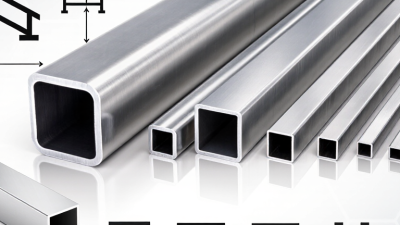
A stainless square pipe is essentially a hollow metal tube with four equal sides, giving it a sleek, modern look. It’s typically made from stainless steel, usually grades 304 or 316, depending on how much corrosion resistance you need. Thanks to its smooth surface, it’s pretty good at resisting moisture, stains, and many industrial types of dirt or build-up. That’s why you’ll often see it used in handrails, food processing frames, architectural supports, or outdoor equipment. When it comes down to actually working with these pipes, though, size and dimensions matter way more than just how they look. Things like wall thickness, how round the corners are, surface finish, and how straight the pipe is can really impact cutting, welding, and installing. For example, a 50 mm square tube might look similar to a heavier one, but it could be significantly weaker in terms of load capacity. That’s why it’s a good idea for suppliers to check and verify material certificates, dimensional tolerances, and weld quality before shipping them out. Also, don’t forget to confirm if you need a brushed, polished, or mill-finished surface—different projects have different requirements. You might also come across the phrase “75x75 Tube Square Pipe Aluminum Pipe” during your searches. Just a heads up though: aluminum and stainless steel are two separate materials. They’re often mixed up, but they’re quite different. Aluminum is lighter, sure, but stainless steel generally wins when it comes to strength and resisting harsh conditions. Neither is automatically better—it really depends on where you’re planning to use the pipe. Things like salt exposure, cleaning chemicals, temperature swings, and what kind of load it needs to support should all influence your decision. A reliable manufacturer should be able to explain these differences without any fuss. Companies like Northline Metalworks, for instance, often offer services like cutting to size, providing finish samples, and sharing inspection reports. But, don’t just take their word for it—always ask questions, double-check the specs, and make sure everything matches your needs. A stainless square pipe can last for years, but only if you choose the right grade, get the proper dimensions, and install it correctly. When all these pieces line up, you’re in good shape to get a durable and reliable fit for your project.
Read more »
Clara By:Clara - October 2, 2026
What Is Stainless Plate and What Types Are Available?

What Is Stainless Plate and What Types Are Available?

Stainless steel plates are pretty common when it comes to flat-rolled steel, mainly because they resist corrosion, are pretty tough, and have a durable surface. You’ll see them used a lot in food processing gear, chemical plants, architectural panels, and even on boats. But hey, just because it’s called "stainless" doesn’t mean you can forget about maintenance or that it’s immune to everything. Salt, high temperatures, cleaning chemicals, and poor drainage can still cause issues over time. Choosing the right plate isn’t just about what finish looks best—it depends primarily on what the metal will be used for. You’ve probably heard of grades like austenitic 304 and 316, ferritic 430, or duplex grades that are stronger and meant for tougher environments. For instance, a 304L stainless steel plate is a low-carbon version, often picked for welded setups because the lower carbon helps prevent issues near welds. But remember, grades are just the starting point. Things like thickness, size, surface finish, how you plan to shape or form it, and the specific material specs matter a lot too. Even small details like certificates of compliance, chemical makeup, and mechanical test results are useful—they help make sure you’re getting what you paid for. A handy way to think about your options is to weigh the pros and cons in simple words and to understand what’s really important for your project. For example, a smoother finish might make cleaning easier, while a thicker plate can give you more strength and stiffness—but it’ll also be heavier and might require more work to cut or shape. There’s no one-size-fits-all answer. Things like operating temperature, exposure to chlorides, and welding method can really influence what’s best. This guide covers some of the common types of stainless plates, what they’re generally good at, and what factors to keep in mind when picking one. And of course, make sure to check the supplier’s documentation and chat with your engineer—those details make all the difference in ensuring you get the right material for your specific needs.
Read more »
Madeline By:Madeline - September 27, 2026
China Top 10 Stainless Steel Round Pipe Suppliers?

China Top 10 Stainless Steel Round Pipe Suppliers?

China has really become a go-to place for sourcing stainless steel round pipes these days. The manufacturers there serve projects all around the world—think construction, food processing, chemicals, energy, and water treatment. But, honestly, the quality from different suppliers can vary quite a bit. Just because a company has a shiny catalog doesn’t necessarily mean they’re consistently producing stable, reliable products. So, in this guide, I’m sharing insights on ten notable Chinese suppliers—like Jiangsu Jiuli Stainless Steel, Zhejiang Jiuli Hi-Tech Metals, Foshan Vinmay Stainless Steel, Wenzhou Dingsheng Steel Tube, Zhejiang Zhenglong Stainless Steel, Wenzhou Landee Steel, Guangzhou Kingmetal Steel Industry, Shanghai Metal Corporation, Hunan Great Steel Pipe, and Taiyuan Iron and Steel. I picked them based on things like their product range, how experienced they are in manufacturing, their ability to export, the quality certification they have, and how responsive they are to customers. Certifications are super important, but so are things like traceability, mill test reports, dimensional control, and how well they’ve handled deliveries in the past. I also break down the difference between seamless and welded pipes—because that’s a big deal depending on what you need. Each supplier might be better suited for different applications, from simple industrial tubing to more demanding process use. You might see the phrase Welded Steel Pipes Erw Steel Pipes thrown around, but just a heads up—ERW welded pipes aren’t exactly the same as all stainless steel round pipes. That’s a distinction worth paying attention to. And sometimes, a low price quote can hide issues like bad testing, uneven finishes, or unclear material specs. No supplier list is perfect, and things can change fast—capacity, quality, or even info online. So, it’s always a good idea to double-check current certifications, stock availability, samples, and the fine print on contracts before you place an order. The goal here isn’t to crown a single winner; it’s really about giving you a practical starting point to evaluate suppliers better and make smarter decisions.
Read more »
Clara By:Clara - September 22, 2026
Top Stainless Steel Angle Manufacturers Suppliers?

Top Stainless Steel Angle Manufacturers Suppliers?

Picking the best Stainless Steel Angle manufacturers and suppliers isn’t just about stacking up their catalog prices side by side. You really need to dig deeper—check the grade control, how accurate their dimensions are, the quality of their documentation, and whether they deliver on time. Sure, a shiny, square-edged angle might look fine at first glance, but don’t forget—hidden chemistry issues can weaken welds or cause corrosion down the line. Sometimes, what you don’t see matters just as much as what’s on the surface. In fact, the International Stainless Steel Forum reported that in 2023, global stainless steel crude production hit around 58.4 million tonnes. That’s a huge number, driven by high demand in areas like construction, food processing, chemical equipment, and energy projects. The World Steel Association also points out that construction and manufacturing are the big players when it comes to steel consumption worldwide. All this just goes to show—supplier capability really counts. Just because a manufacturer produces a lot doesn’t automatically mean their Stainless Steel Angles are top quality. So, savvy buyers will want to double-check things like mill test certificates, heat numbers, surface condition, and how tightly the products meet standards like ASTM A276, ASTM A479, or EN 10056. And if you’re dealing with something tougher, like marine or chemical environments, a grade like 316l Stainless Steel Angle might be a smarter choice because it’s more resistant to chloride corrosion than the standard 304. But keep in mind—choosing the right grade depends on the temperature, exposure level, fabrication methods, and how much maintenance you’re willing to do. If a supplier claims one size fits all, it’s worth being a bit skeptical. Details really do matter here. This guide takes a look at the top manufacturers and suppliers using practical, real-world criteria—things like their manufacturing experience, inspection processes, how much stock they keep, support for exports, and traceability. The International Organization for Standardization emphasizes that consistent processes and documented quality management are key, but having certifications alone doesn’t tell the whole story. Sometimes, a slick website can hide less-than-great packaging or unreliable lead times. So, the best approach is to combine the standards published, independent test results, feedback from other customers, and direct conversations with technical teams. Keep in mind, no evaluation is perfect—especially with regional price fluctuations and changing freight costs thrown into the mix. All in all, a little due diligence can save you headaches and ensure you get the quality you need, every time.
Read more »
Clara By:Clara - September 18, 2026