In the world of metallurgy, 304L stainless steel has pretty much become the go-to option for lots of different uses. People love it because of its solid corrosion resistance and how easy it is to work with. But, as industries keep changing and there's a real push for more sustainable and innovative solutions, it’s really important to look into other options that might even do better. At XINYONGYUAN (SHANDONG) STEEL SALES CO., LTD., we’re all about staying ahead in the game of material innovation. We’re committed to offering reliable, customized steel and metal solutions, and that means exploring some pretty exciting alternatives to 304L stainless steel. These new options could bring better performance, be more eco-friendly, and save costs. Join us as we dive into this journey, exploring the top alternatives that could help boost your projects’ success and efficiency.
The Limitations of 304L Stainless Steel in Modern Applications
You know, 304L stainless steel has been pretty popular across a bunch of industries for good reasons—its rust resistance, easy formability, and good welding ability. But, honestly, recent research is telling us it might not cut it anymore for the really demanding modern projects. For example, the International Stainless Steel Forum (ISSF) notes that while 304L only corrodes around 0.01 mm a year in mild environments, things get pretty ugly in harsher conditions like in chemical plants or at sea—its performance really drops off there.
Plus, when it comes to high temperatures, 304L isn't all that impressive either. The American Society of Mechanical Engineers (ASME) points out that its strength takes a nosedive at elevated temps—down to about 200 MPa at 700°C. So, if you're working on something like power plants or aerospace parts that are constantly exposed to heat, 304L probably isn't the best pick. As industries push for tougher, more resilient materials, alloys like 316L or duplex stainless steels are becoming the go-to choices. They offer much better mechanical strength and corrosion resistance to handle today's challenging conditions.
Alternative Alloys: Strengthening Your Design Options
When you're working on projects that need materials resistant to corrosion, a lot of engineers initially reach for 304L stainless steel – mainly because it’s pretty easy to find and quite versatile. But honestly, there are quite a few other alloys out there that can give you some pretty cool advantages, opening up more options for your design. For example, alloys like 316L stainless steel are great if you’re dealing with chlorides, making them a solid choice for marine environments. And then there are duplex stainless steels, which mix the best of both worlds—combining austenitic and ferritic structures—so they’re stronger and more resistant to stress corrosion cracking.
Beyond stainless steels, it’s worth looking into nickel-based alloys like Inconel. These materials really shine in high-temperature or chemically harsh settings. They keep their mechanical strength even under extreme conditions, making them perfect for things like aerospace or oil and gas fields. The key thing for designers is to really think about what their project needs and explore these alternative materials. Doing so can bump up your performance, cut down on long-term costs, and reduce the maintenance hassle. Trying out these options not only makes your design more robust but also helps push innovation in how we use materials in modern engineering.
Cost-Effectiveness: Balancing Quality and Budget with Alternative Materials
Whenever you’re working on projects that need materials to be tough and resistant to rust and corrosion, 304L stainless steel is pretty much the default choice that everyone goes for. But, let’s be honest, the costs for this stuff have been climbing, which has got a lot of engineers and project managers thinking about other options that strike a good balance between quality and affordability. Things like duplex stainless steels, Aluminum Alloys, and even high-tech composites are really catching on because they can match the mechanical needs while keeping costs in check.
Take duplex stainless steels. They mix the best parts of both austenitic and ferritic grades, giving you strength plus better resistance to things like stress corrosion cracking. What’s cool is, since they’re stronger, you can actually use thinner pieces without losing performance—that’s a win when it comes to saving weight and money. Aluminum alloys are also worth considering, especially since they’ve got an awesome strength-to-weight ratio. They’re pretty popular in industries like aerospace and transportation for that reason. And let’s not forget about composites—these are super versatile materials that can be specifically designed for whatever application you have. They often help dodge the budget issues you might run into with traditional metals.
All in all, exploring these alternatives might just be the smart move if you’re looking to cut costs but still want reliable, durable materials that do the job right.
Corrosion Resistance: Evaluating Better Options for Harsh Environments
When you're choosing materials for projects that absolutely need top-notch corrosion resistance, 304L stainless steel has pretty much been the go-to choice for ages. But if you're dealing with really harsh environments, there are some other options that might give you better durability and performance. Think about materials like duplex stainless steel, high-end alloys, or even special coatings—they can make a big difference against corrosive stuff. Taking the time to explore these alternatives might actually lead to better, longer-lasting results down the line.
A good tip? Pay close attention to the exact conditions your project will face. Things like temperature swings, humidity, and chemicals involved should really influence what material you pick. For example, duplex stainless steels are pretty famous for resisting pitting and crevice corrosion—so they’re often a smart pick for marine stuff where salt is a constant issue.
And don’t forget—chatting with material engineers or suppliers can be super helpful. They’ve usually got the latest scoop on new corrosion-resistant options and can guide you through the pros and cons of different choices, whether it's about cost, performance, or how long they'll last. Doing a bit of homework upfront can definitely save you time, hassle, and money in the long run. Trust me, it’s worth the effort!
Sustainability in Material Selection: Choosing Eco-Friendly Alternatives
When it comes to choosing materials for projects these days, sustainability is more important than ever. I mean, sure, 304L stainless steel has been a go-to because it’s resistant to corrosion and tough all around. But lately, new eco-friendly options are starting to catch on — things like recycled aluminum and bio-based composites. They offer similar performance but with a lighter environmental footprint, which is pretty cool. Plus, they help cut down on carbon emissions and support the idea of a circular economy by reusing waste materials from consumers.
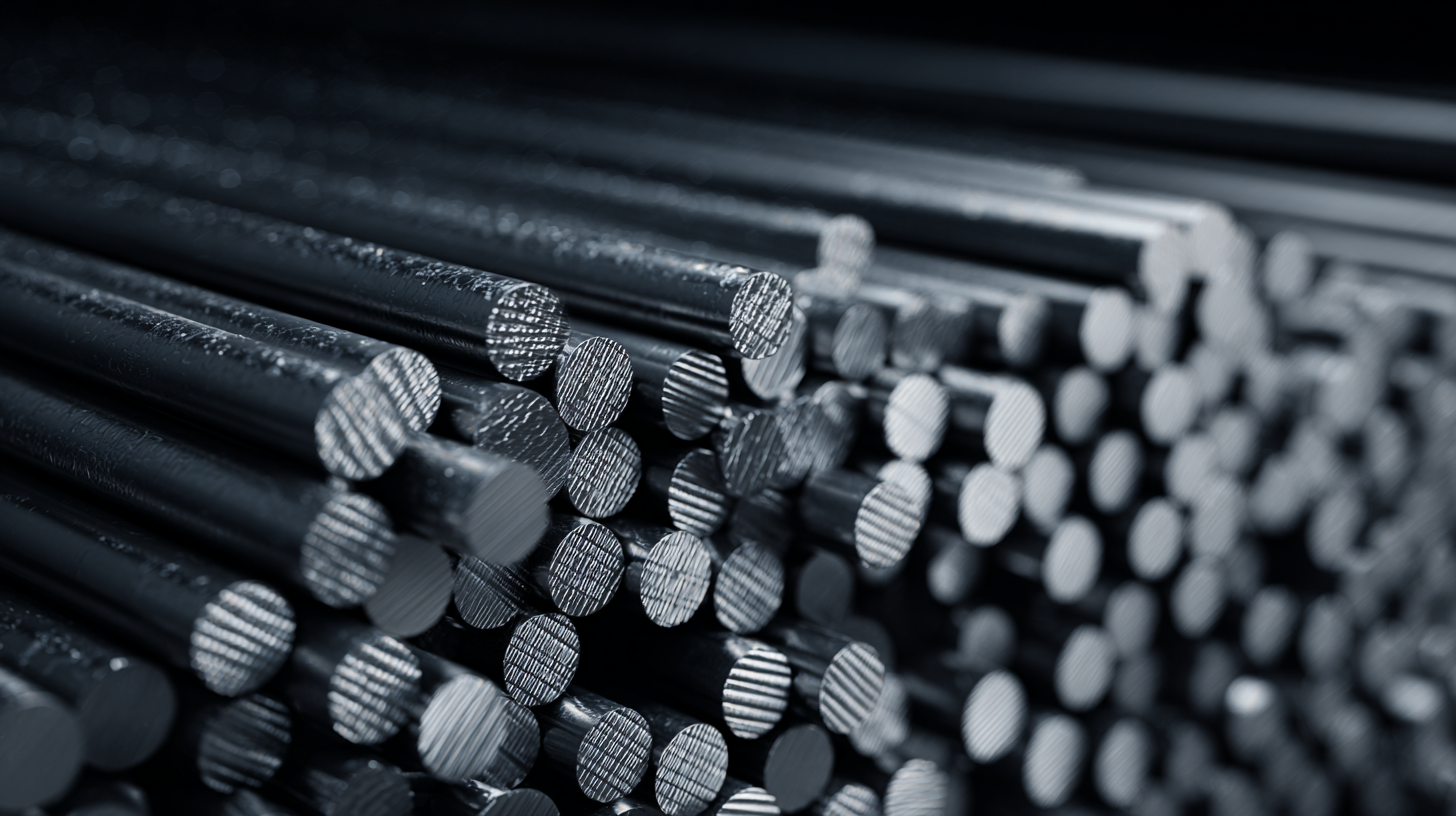
On top of that, advances in material science have really opened up some exciting possibilities like bamboo, hemp, and even materials made from fungi, or mycelium. The best part? Most of these are biodegradable, so they don’t stick around in the environment forever. As more industries shift to being eco-conscious, choosing sustainable materials isn’t just good for the planet — it can also be a great way to connect with customers and stakeholders who really care about corporate responsibility. If businesses start exploring these innovative options, they can boost their eco-friendly image without sacrificing the performance they need. In the end, it’s all about balancing quality with a bit of green thinking for a better future.
Innovative Manufacturing Techniques for Enhanced Material Performance
Lately, the manufacturing world has been shifting pretty quickly towards new, innovative techniques to boost the performance of materials we've used for years in different applications. Take 304L stainless steel, for example — it's been a go-to because it resists corrosion and is pretty easy to shape. But now, there are newer options starting to shake up things. like advanced 3D printing methods — you know, things like selective laser melting (SLM) — which can create these super complex shapes that would be a nightmare or just impossible with traditional manufacturing methods. According to a recent report by the Global Additive Manufacturing Market, this industry is expected to explode — they’re talking about hitting over $28 billion by 2026, mainly thanks to advances in materials like titanium and aluminum alloys.
On top of that, there's some really exciting stuff happening with new composite materials, especially ones that mix in carbon fiber or graphene. These composites pack a punch — they’ve got up to five times the tensile strength of regular metals, but they’re way lighter. That’s a game-changer, not just for the performance of end products but also for making manufacturing more eco-friendly — fewer wastes, less energy used. As these new options become more popular, they open up so many cool opportunities for engineers and designers to rethink how they choose materials. It’s pushing the boundaries of what we think is possible in modern manufacturing — pretty exciting times, honestly.
Exploring the Benefits and Applications of Heavy Duty 430 Stainless Steel Pipe in Industrial Settings
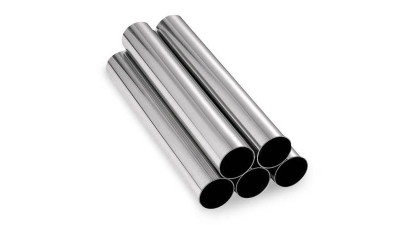
The 430 stainless Steel Pipe is a prominent choice in numerous industrial applications, primarily due to its remarkable durability and excellent corrosion resistance. This grade of stainless steel, enriched with a high chromium content, provides an optimal barrier against oxidation and degradation in harsh environments. According to a report by the International Stainless Steel Forum (ISSF), 430 stainless steel accounted for approximately 12% of total stainless steel production in recent years, underscoring its popularity in industries such as automotive, construction, and manufacturing.
One area where the application of 430 stainless steel pipe shines is in the construction of exhaust systems. Its ability to withstand high temperatures and resist corrosion from exhaust gases makes it ideal for this purpose. Furthermore, its aesthetic appeal allows it to be utilized in architectural elements without compromising structural integrity. However, it is essential to note that the high chromium content can present challenges during the welding process. Weldability studies indicate that preheating and post-weld heat treatment may be necessary to prevent issues such as cracking and grain growth, which can affect the performance of the material under stress.
In addition to exhaust systems, 430 stainless steel pipes find extensive use in various other applications, including kitchen equipment and industrial machinery. The versatility of this material is further illustrated by its resistance to food acids, making it a favorable choice for food processing equipment. As industries continue to evolve, the demand for durable and corrosion-resistant materials like 430 stainless steel is expected to grow, driven by the need for both longevity and reliability in industrial settings.
FAQS
: 304L stainless steel is popular due to its excellent corrosion resistance, formability, and welding characteristics.
In more aggressive conditions, such as chemical processing or marine applications, 304L's performance significantly deteriorates, showing a corrosion rate of approximately 0.01 mm/year in mild environments.
The yield strength of 304L drops substantially at elevated temperatures, reaching as low as 200 MPa at 700°C, making it unsuitable for continuous high-heat applications like power plants.
Alternatives like 316L or duplex stainless steels are often recommended as they offer enhanced mechanical properties and corrosion resistance for modern engineering challenges.
Eco-friendly alternatives include recycled aluminum, bio-based composites, bamboo, hemp, and mycelium-based materials, which provide similar mechanical properties with a smaller environmental footprint.
Techniques like selective laser melting (SLM) enable the creation of complex geometries and are driving the growth of advanced materials, leading to superior performance and sustainability in manufacturing.
Composite materials that integrate carbon fiber or graphene can provide up to five times the tensile strength of traditional metals while being significantly lighter.
Selecting sustainable materials enhances ecological profiles of projects and resonates positively with consumers and stakeholders who value corporate responsibility.
The additive manufacturing sector is expected to grow substantially, with a projected market value of over $28 billion by 2026, driven by advancements in materials like titanium and aluminum alloys.
As industries become more environmentally conscious, choosing sustainable materials helps reduce carbon emissions and promotes circular economy practices, aligning with contemporary environmental standards.
Conclusion
When you're on the hunt for better materials, it’s pretty clear that 304L stainless steel has its limits, especially with some of the more demanding modern-day applications. While it’s still a popular choice, there are moments when its performance just doesn’t quite cut it. That’s why people are starting to look into other alloy options — ones that can handle the heat better and resist corrosion more effectively. In this blog, I’ll cover some of these innovative alternatives that strike a good balance between affordability and quality. The goal? Keep your projects on budget without sacrificing durability.
On top of that, sustainability is becoming a big deal. Picking eco-friendly materials isn’t just a trend anymore — it’s a smart move. We also want to highlight some new manufacturing techniques that really boost materials’ performance and even inspire fresh design ideas. As a leading supplier, XINYONGYUAN (SHANDONG) STEEL SALES CO., LTD. is dedicated to offering customized steel and metal solutions. Whether you’re after reliable alternatives to 304L stainless steel or specific project needs, we’re here to help make sure you get the best resources to get the job done right.

 Angle Steel
 Channel Steel
 Universal Beam (l-Beam)
 H-Beam Steel
 Galvalume Steel Coil
 Galvalume Steel Sheet
 Galvanized Steel Sheet
 Color Coated Plate
 Stainless Steel Bar
 Stainless Steel Pipe
 Steel Bar
 Wire Rope
 Carbon Steel Pipe
 Carbon Steel Plate
 Aluminum Plate
 Aluminum Coil
 Aluminum Pipe
 Aluminum Bar
 Magnesium Ingot
 Fasteners