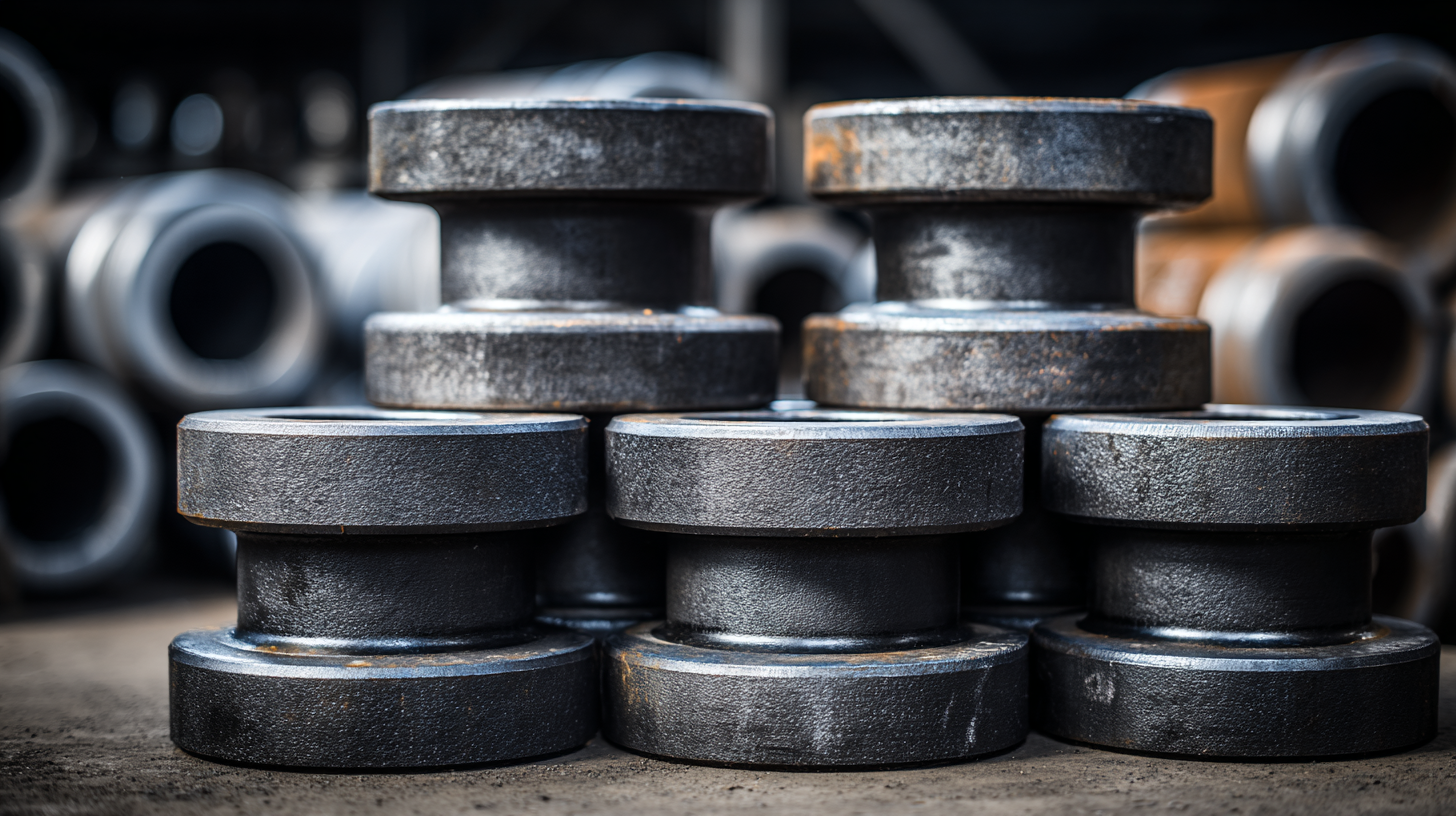
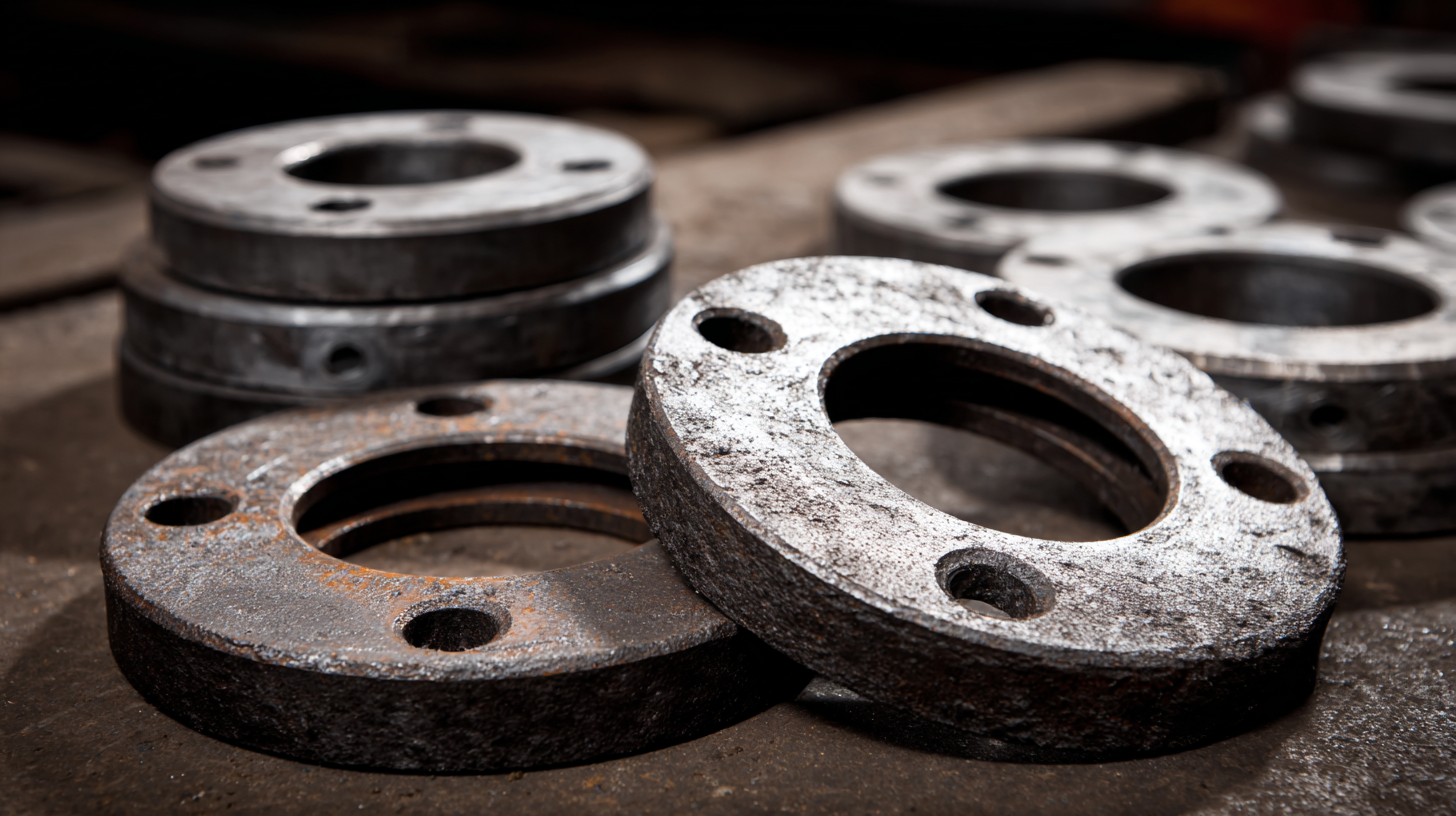
In the fast-changing world of industrial work, choosing the right materials is a big deal when it comes to how well things perform and how long they last. Lately, Carbon Steel Flanges have really gained popularity among engineers and project managers alike. People love them because they’re durable, strong, and pretty versatile. I mean, a recent report from Markets and Markets pointed out that the global flange market could hit around USD 12 billion by 2025, with carbon steel flanges making up a big chunk — mainly because they’re cost-effective and can handle high-pressure situations pretty reliably. Here at XINYONGYUAN(SHANDONG) STEEL SALES CO., LTD., we see more and more demand for top-quality Carbon Steel Flanges. Our company’s all about providing dependable and customizable steel and metal solutions worldwide, and we’re dedicated to helping our clients make the most of carbon steel in their upcoming projects.
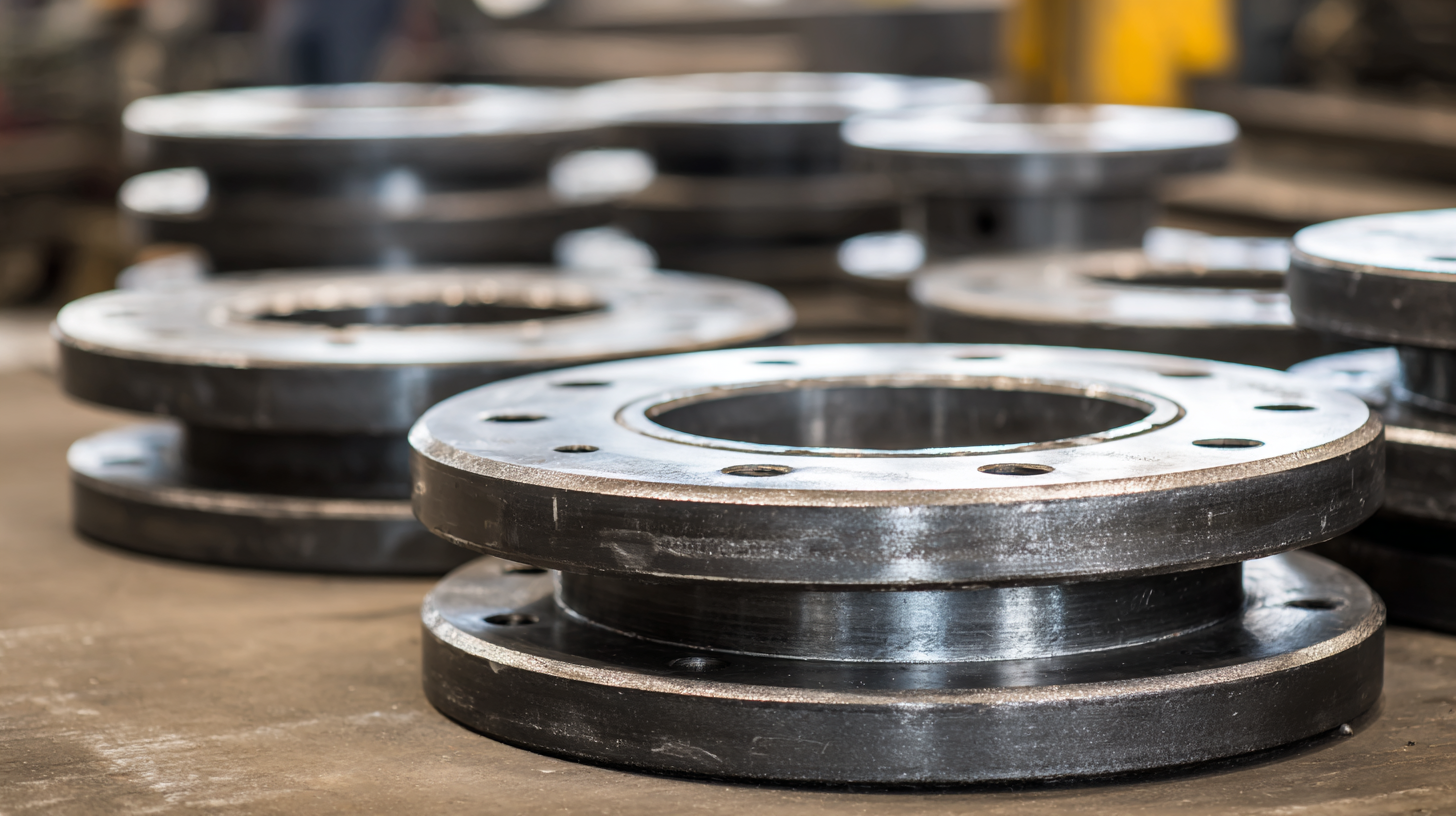
When you're looking at materials for piping systems, carbon steel flanges really stand out because of their incredible strength and durability. I mean, the American Iron and Steel Institute reports that carbon steel can stretch from about 370 MPa up to 700 MPa in tensile strength — that’s pretty impressive. It’s no wonder they’re so popular in heavy-duty industries like oil and gas, chemical production, or power plants, where stuff has to stand up to high pressures without breaking a sweat.
And here’s the cool part: with some surface treatments and coatings, these flanges can last even longer — we're talking up to 30 years of good service, according to the National Association of Corrosion Engineers. That kind of longevity really helps cut down on maintenance costs and keeps things running smoothly without constant repairs. Because of all that, carbon steel flanges are a smart pick for projects that need to be both reliable and budget-friendly. Honestly, it’s easy to see why they’re still a go-to choice when building tough, long-lasting systems.
When it comes to industrial projects, cost is often at the top of everyone’s mind—especially for project managers and engineers trying to keep things budget-friendly. Carbon steel flanges are really making a name for themselves here. They’re tough, reliable, and won’t drain your wallet. Thanks to their solid durability and relatively low material costs, they’re a pretty smart pick for all sorts of piping setups. In fact, going with carbon steel flanges can save you quite a bit upfront, and they’ll also help you cut down on long-term maintenance since they usually don’t need frequent replacing compared to other options.
If you’re thinking about using carbon steel flanges for your upcoming project, here are a few quick tips to get the most out of them. First off, take a close look at your project’s specific needs—this way, you can pick the right grade of steel to make sure everything performs smoothly. Next, don’t forget to add some kind of coating or treatment to boost their resistance to corrosion, especially if you’re dealing with tough environments. And finally, teaming up with a trustworthy supplier can really pay off—good suppliers not only guarantee quality but can also guide you on custom fabrication options, making your investment even more cost-effective. Keep these tips in mind, and you’ll be able to enjoy all the benefits of carbon steel flanges without blowing your budget.
When you're picking out flanges for a project, there's often a bit of a debate between going with carbon steel or stainless steel — and honestly, it can really affect both how well things work and how much you'll end up spending. Carbon steel flanges are pretty popular when you need something strong and durable without breaking the bank. They’ve got great tensile strength and can handle high-pressure systems easily, which makes them a solid choice for industrial setups where reliability is a must.
On the flip side, stainless steel flanges are champs when it comes to resisting corrosion. If your environment is full of chemicals or just pretty damp, stainless steel is probably your best bet. The catch? It’s usually pricier, so not every project really needs that level of corrosion resistance. But here’s a trick — you can treat or coat carbon steel flanges to help ward off rust and corrosion, giving you a good middle ground.
At the end of the day, choosing between carbon and stainless steel really depends on what your project needs. Think about factors like the pressure your system will face, the environmental conditions, and, of course, your budget. It’s all about finding that sweet spot where performance and cost meet tempers just right.
| Feature | Carbon Steel Flanges | Stainless Steel Flanges |
|---|---|---|
| Cost | Lower initial cost | Higher initial cost |
| Strength | Higher tensile strength | Moderate tensile strength |
| Corrosion Resistance | Lower corrosion resistance | Excellent corrosion resistance |
| Weight | Heavier | Lighter |
| Weldability | Easier to weld | More challenging to weld |
| Thermal Conductivity | Better thermal conductivity | Lower thermal conductivity |
| Applications | Common in oil and gas industries | Used in food and chemical industries |
When you're choosing materials for industrial projects, you really can't ignore how important corrosion resistance is. Carbon steel flanges have become a go-to option, especially in tough environments that need something durable and dependable. Unlike many other materials, carbon steel does a great job resisting rust and corrosion, which is a huge plus for setups that deal with harsh chemicals or just face extreme weather. This built-in durability helps the flanges last longer and stay strong, even after being pushed to the limit.
What’s also cool about carbon steel is how versatile it is. You can easily customize it with different coatings and treatments to make it even better against corrosive elements. That’s why industries like oil and gas or water treatment have pretty much adopted carbon steel flanges across the board. They’re reliable in tough conditions and don’t break the bank, which makes carbon steel a solid choice for projects where long-term performance really matters.
When you're choosing carbon steel flanges for your next project, it’s really important to get a good handle on the manufacturing standards and quality checks that are in place. High-quality flanges are a must if you want your piping system to stay safe and hold up well over time. Sticking to well-known standards like ASTM A105 and ASME B16.5 isn’t just about performance — it also means they’ll fit right in with other parts without any hassle. Definitely take the time to check out certifications and compliance documents; it’s a quick way to make sure those flanges meet all the specs you need.
One really key tip I’d share is to go with suppliers who are serious about quality assurance. Look for manufacturers that do thorough testing during every stage — stuff like non-destructive testing (NDT) and surface inspections. This kind of rigorous testing can really cut down on failures and helps those flanges last longer, especially in tough environments.
Also, don’t overlook the importance of traceability. Flanges that come with detailed records about their manufacturing and materials give you peace of mind — you know exactly where they came from and how they were made. Following these tips will help you pick out flanges that last, making your project more reliable and efficient overall.
You know, carbon steel flanges are really catching on these days, especially when it comes to environmental benefits and sustainability. If you look into their life cycle — from manufacturing to the moment they’re in use — they actually tend to have a smaller carbon footprint compared to some other options. Picking carbon steel can help projects cut down on energy use and emissions during production, which is pretty awesome. It’s all part of the bigger picture, too — like the push towards using more eco-friendly materials in construction and infrastructure projects.
And it’s not just talk — innovations like low-carbon emission steel are becoming more common, and that shows how serious industries like aviation and data centers are about being greener. When you choose carbon steel flanges, you’re not just getting a strong, reliable component; you're also contributing to these sustainable efforts. As everyone starts shifting toward greener solutions, carbon steel flanges really stand out as a key player — helping us build stronger, more durable structures while also being kind to our planet.
Basically, they’re a smart choice for anyone serious about creating a more sustainable future without sacrificing quality or performance.
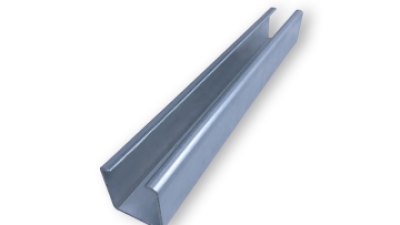
Galvanized C-channel steel has become a game-changer in modern construction, offering exceptional versatility and strength. The hot-dip galvanization process is key to its durability, as it involves thorough derusting of the steel before it is immersed in molten zinc. This high-temperature treatment, between 440 to 460 degrees Celsius, creates a robust zinc layer that adheres firmly to the steel's surface, resulting in a formidable barrier against corrosion.
The applications of galvanized C-channel steel are vast, from structural components in buildings to framework in various infrastructures. Its ability to withstand environmental factors without succumbing to corrosion makes it an ideal choice for projects that demand longevity and reliability. This resilience not only helps in reducing maintenance costs but also enhances the overall safety and performance of construction endeavors. In an era where sustainability and efficiency are paramount, utilizing such innovative materials is essential for modern architectural projects.
: Carbon steel flanges are preferred due to their enhanced resistance to oxidation and corrosion, making them ideal for harsh chemical exposure and extreme weather conditions.
The inherent corrosion resistance of carbon steel, combined with potential coatings and treatments, allows these flanges to maintain their structural integrity during rigorous use.
Industries such as oil and gas, as well as water treatment systems, widely adopt carbon steel flanges due to their robust performance and cost-effectiveness.
It's essential to consider standards like ASTM A105 and ASME B16.5 to ensure the flanges meet performance requirements and compatibility with other piping components.
Inspecting certifications and compliance documentation, along with prioritizing suppliers who conduct rigorous testing and quality assurance processes, can help verify the quality of the flanges.
Flanges with traceability documentation provide assurance regarding their manufacturing and material history, enhancing reliability and efficiency in projects.
Surface inspections and non-destructive testing (NDT) during production help minimize the risk of failures, contributing to the longevity of carbon steel flanges in demanding applications.
Yes, carbon steel flanges can be easily tailored for specific applications through various coatings and treatments to improve resistance to corrosive agents.
Their durability and long-term performance in challenging environments make carbon steel flanges a cost-effective choice, reducing replacement and maintenance costs.
When it comes to high-performance solutions for industrial use, Carbon Steel Flanges really stand out for a bunch of reasons. First off, their natural strength and durability make them perfect for tough environments—no worries about them giving up easily over time. Plus, they’re pretty budget-friendly compared to options like stainless steel flanges, so they’re a popular pick in the industry without sacrificing quality. On top of that, their impressive resistance to corrosion means they hold up well even in harsh conditions. And you know what? The strict manufacturing standards and quality checks ensure you’re getting a reliable product every time. Using Carbon Steel Flanges is also a more eco-friendly choice, thanks to their lower environmental footprint. Here at XINYONGYUAN (SHANDONG) STEEL SALES CO., LTD., we’re proud to supply these top-notch products. We work hard to provide custom steel solutions that really meet our clients’ needs all around the world.