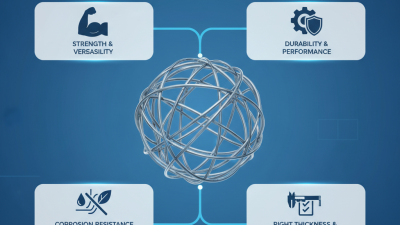
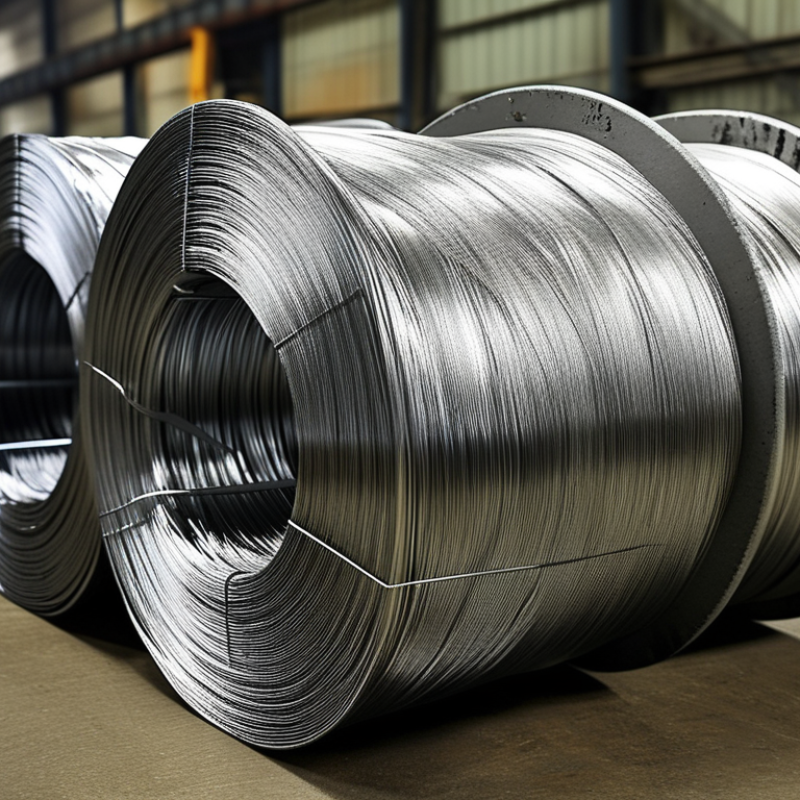
So, when you're trying to pick the right Stainless Steel Wire, there are quite a few things to keep in mind. Industry reports are buzzing about how the global stainless steel market is projected to hit around $250 billion by 2025 — clearly, there's a big demand for versatile stuff like stainless steel wire. The type you choose really matters because it’s used in loads of different areas, from building and cars to medical equipment.
Stainless steel wire is super popular because it resists rust and lasts a long time. But, and here’s the thing, you’ve gotta pay attention to the specific grades and wire thicknesses. For example, grades 304 and 316 are pretty much the go-to options because they’ve got the right mix of toughness and corrosion resistance. A recent study by Smith & Associates pointed out something important — going for the cheapest wire might seem like a good deal upfront, but it can cause headaches down the line, like failures and higher costs. Picking the right wire isn’t just about the price; it’s about quality and what your project really needs.
I know, it can feel overwhelming to sort through all these types of stainless steel wire. You’ve got to think about stuff like how strong it needs to be, how flexible, and whether it’ll be exposed to tough environments. Messing up now could not only mess with how well your project works but could also have safety and compliance issues. So, it’s worth taking the time to make informed choices — trust me, that can really pay off in the long run by making everything run smoother and more reliably.
Understanding Stainless Steel Wire: Types and Characteristics
Understanding the characteristics of stainless steel wire is crucial for selecting the right type for specific applications. Stainless steel wire varies significantly in composition and properties. For example, a common type is 304 stainless steel, known for its corrosion resistance and ease of welding. This makes it suitable for various applications, including food processing and architectural features. In contrast, 316 stainless steel offers superior corrosion resistance, especially in chloride environments, making it ideal for marine applications.
The wire's diameter also plays a vital role in its performance. Thinner wires, ranging from 0.005 inches to 0.020 inches, are typically used in delicate applications like jewelry making or fine mesh screens. Conversely, thicker wires can reach up to 0.500 inches and are often utilized in construction and industrial applications.
According to industry reports, the global stainless steel wire market was valued at approximately $4 billion in 2022. This reflects a growing demand across sectors, driven by its strength and corrosion resistance.
While these specifications guide choices, it’s crucial to assess the specific demands of your project. Factors such as tensile strength and fatigue resistance should not be overlooked. Selecting the wrong type could lead to premature failures, highlighting the need for careful consideration. Remember, what works for one project may not suit another. Developing a deeper understanding of these characteristics can aid in making informed decisions.
Key Factors to Consider When Choosing Stainless Steel Wire
When selecting stainless steel wire, several key factors can influence your choice. It's essential to consider the type of stainless steel. Different grades offer varying levels of corrosion resistance, strength, and flexibility. For example, austenitic stainless steel is known for its excellent corrosion resistance, while ferritic steel provides better magnetism. Knowing your application can guide you in choosing the right grade.
Another crucial factor is wire diameter. The thickness affects both strength and flexibility. Thicker wires are stronger but less flexible, ideal for structural applications. Conversely, thinner wires are more suited for fine work or crafts. This decision will affect the overall performance of the wire in your project.
**Tips:** Always evaluate the environment where the wire will be used. High humidity may require more corrosion-resistant options. Check the tensile strength as it determines how much load the wire can bear before breaking. Make sure to consider the wire's finish, as it can impact both aesthetics and performance. Don't rush your decision; take the time to weigh these factors thoughtfully.
Comparison of Stainless Steel Wire Types
Applications of Stainless Steel Wire in Various Industries
Stainless steel wire finds applications across various industries due to its durability and versatility. In construction, it is used for reinforcement. 316 Stainless Steel Wire is especially known for its corrosion resistance. This property makes it suitable for marine applications. Its ability to withstand harsh environments ensures longevity.
In the automotive sector, stainless steel wire is vital for manufacturing parts. From suspension systems to exhaust components, its strength is unmatched. However, choosing the right wire can be challenging. Factors such as alloy composition, diameter, and tensile strength must be considered.
Food processing also harnesses stainless steel wire for its hygienic qualities. It’s used in conveyor belts and other equipment. Still, not all stainless steel wires are equal. Each application may require a specific grade. Understanding these nuances can improve safety and efficiency.
Comparing Different Stainless Steel Grades for Wire
When selecting stainless steel wire, understanding the differences in grades is crucial. Various grades offer distinct properties, making them suited for specific applications. For instance, 304 and 316stainless Steel Grades are commonly used. According to theStainless Steel Institute, 304 is versatile and resistant to corrosion, while 316 provides enhanced protection in more aggressive environments.
Among these, 201 Stainless Steel Wire is increasingly popular. It offers a cost-effective solution for indoor applications with moderate corrosion risk. Its lower nickel content impacts its resistance to oxidation compared to higher-grade wires. This grade is often chosen for projects that do not require premium materials. However, users must consider its limitations in harsh conditions.
Another aspect to consider is mechanical strength. For example, 304 stainless steel has a tensile strength of about 70,000 psi, while 201 has slightly lower strength ratings. This difference can influence performance in structural applications. Although 201 stainless steel wire may seem adequate for many situations, it’s essential to evaluate the long-term implications of using a lower-grade material. Opting for the right grade can significantly impact durability and maintenance, making informed choices critical.
Maintenance and Care for Stainless Steel Wire Products
When it comes to maintaining stainless steel wire products, proper care is essential to ensure their longevity and performance. Regular cleaning is crucial, as dirt and grime can accumulate over time. A mild detergent and warm water are often sufficient for everyday cleaning. For tougher stains, a non-abrasive scrub pad can help without scratching the surface.
Stainless Steel Wire Rod can be prone to corrosion if not cared for properly. Environmental factors like humidity and salt can accelerate this process. Applying a protective coating or oil can create a barrier against these elements. Additionally, inspect the wire regularly for any signs of wear or rust. Addressing issues early can prevent more significant damage later.
Storage matters as well. Keep stainless steel wire in a dry area to reduce exposure to moisture. Avoid stacking heavy materials on top, which could cause bending and deformity. Taking these steps helps maintain the integrity and functionality of your stainless steel wire products for years to come.
Cost Considerations for Stainless Steel Wire Selection
When selecting stainless steel wire, cost can be a pivotal factor. Different grades of stainless steel vary in price. Higher-grade materials, known for their resistance to corrosion, tend to cost more. If your project demands durability, it may be worth the investment. However, balancing cost and utility is essential.
Consider where the wire will be used. For outdoor applications, investing in a higher-grade stainless steel wire can prevent future expenses on replacements. In contrast, for less demanding tasks, a more economical option might suffice. Understanding the long-term implications of your choice is crucial. Cheaper wire may save money upfront but fail under stress or exposure.
Do not overlook the specifications. Wire diameter and tensile strength affect performance. Buying the wrong wire can lead to costly mistakes. It’s wise to analyze your needs carefully. Always weigh the importance of price against quality. Many face challenges in making this decision. Learning from past choices can guide future selections effectively.
How to Choose the Right Stainless Steel Wire for Your Needs? - Cost Considerations for Stainless Steel Wire Selection
| Wire Type | Diameter (mm) | Tensile Strength (MPa) | Price per kg ($) | Common Applications |
| 304 Stainless Steel | 0.5 | 580 | 3.00 | Food industry, marine applications |
| 316 Stainless Steel | 0.5 | 650 | 4.00 | Marine environments, chemical processing |
| 430 Stainless Steel | 1.0 | 470 | 2.50 | Household appliances, automotive parts |
| Duplex Stainless Steel | 1.2 | 800 | 5.00 | Oil and gas, structural applications |
Sourcing and Suppliers: Where to Purchase Stainless Steel Wire
When sourcing stainless steel wire, it's crucial to understand the specifications required for your project. The market for stainless steel wire is growing, with a projected increase of around 4.5% annually through 2026, according to industry reports. Sourcing from reliable suppliers ensures better quality and adherence to your needs.
Consider the specific grades available, such as 316l Stainless Steel Wire. This grade is highly resistant to corrosion and heat, making it ideal for demanding environments. You'll want suppliers that provide detailed chemical compositions and mechanical properties for their products. Checking certifications and quality assurance processes can help verify their reliability.
Building relationships with suppliers can also improve your sourcing strategy. Engage with multiple vendors to compare pricing, delivery times, and available services. Sometimes, cheaper options come at a cost. Balance cost with quality to ensure your project’s success. Quality assurance isn't just about the wire but also the supplier's reputation in the industry.
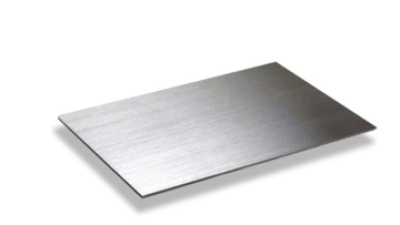
Exploring the Benefits and Applications of For Industrial Use 302 Stainless Steel Plate: Insights from Industry Reports and Market Analysis
302 stainless steel is increasingly recognized in various industrial applications due to its unique combination of chemical properties and structural integrity. Comprising 18% chromium and 8% nickel, this austenitic stainless steel delivers impressive corrosion resistance, making it ideal for environments susceptible to rust and degradation. Its ability to withstand high temperatures further enhances its applicability in sectors requiring materials that can endure harsh operational conditions.
The benefits of using 302 stainless Steel Plate are evident in several industrial landscapes. For manufacturing operations, the good weldability and formability of this alloy facilitate the production of complex components while maintaining strength. Industries that demand reliability and longevity in their materials, such as automotive, aerospace, and chemical processing, find this steel to be a suitable choice. Furthermore, its non-magnetic properties allow for specific applications in electrical and electronic systems, adding to its versatility in diverse fields.
Industry reports indicate a growing trend in the adoption of 302 stainless steel plates, driven by the material's cost-effectiveness and performance capabilities. As manufacturing technologies advance, the demand for durable materials that can enhance productivity and reduce maintenance costs continues to shape market dynamics. The insights from various market analyses suggest that 302 stainless steel will play a pivotal role in the future of industrial manufacturing, ensuring both efficiency and safety in operations.
FAQS
: Stainless steel wire is used in construction, automotive, and food processing industries. Its versatility makes it popular across sectors.
It provides reinforcement and durability. Its corrosion resistance is particularly beneficial for structural integrity.
Factors include alloy composition, diameter, and tensile strength. Each aspect affects performance significantly.
It withstands harsh environments effectively. This ensures longevity and reduces maintenance needs over time.
It's essential for manufacturing strong components. Suspension systems and exhaust parts benefit from its durability.
No, each application may require a specific grade. Choosing the right grade enhances safety and efficiency.
Higher-grade stainless steel costs more but offers better durability. Balancing cost and utility is crucial for ongoing projects.
It may save money short-term but can lead to failures under stress. Long-term implications should guide the decision.
Wire diameter and tensile strength are critical. The wrong specifications can lead to poor outcomes and costly mistakes.
Learning from past experiences and analyzing specific project needs can lead to informed decisions.
Conclusion
Choosing the right stainless steel wire involves understanding its types and characteristics, which can greatly differ based on usage. Key factors to consider include the wire’s tensile strength, corrosion resistance, and diameter, all of which play critical roles in its performance across various applications. Industries such as construction, automotive, and medical equipment utilize stainless steel wire due to its durability and versatility.
When comparing different grades of stainless steel wire, one must pay attention to their specific properties to ensure optimal suitability. Additionally, proper maintenance and care can extend the life of these products. Cost considerations are also important; balancing quality and budget is essential when sourcing from reliable suppliers. Overall, a thoughtful selection process will lead to successful outcomes in any project involving stainless steel wire.

 Angle Steel
 Channel Steel
 Universal Beam (l-Beam)
 H-Beam Steel
 Galvalume Steel Coil
 Galvalume Steel Sheet
 Galvanized Steel Sheet
 Color Coated Plate
 Stainless Steel Bar
 Stainless Steel Pipe
 Steel Bar
 Wire Rope
 Carbon Steel Pipe
 Carbon Steel Plate
 Aluminum Plate
 Aluminum Coil
 Aluminum Pipe
 Aluminum Bar
 Magnesium Ingot
 Fasteners