In today’s world of industry, choosing the right materials is a big deal when it comes to making sure things last and perform well. Take 316 Steel, for example — it’s really popular because it resists corrosion like a champ and has solid mechanical properties. You’ll often see it used in marine settings or anywhere exposed to tough chemicals. I came across a report from Research and Markets that says the global stainless steel market could hit around USD 162 billion by 2025. That growth is mainly fueled by industries like automotive, construction, and food processing really ramping up their use of stainless steel. But, let’s be honest, working with 316 Steel isn’t always smooth sailing. It can be tricky in terms of how easy it is to work with and weld, plus it’s a bit pricier compared to other kinds of stainless steel. At XINYONGYUAN(SHANDONG) STEEL SALES CO., LTD., we totally get these challenges. That’s why, as a leading supplier of steel and non-ferrous metals, we’re all about offering reliable, tailored solutions to help our customers handle these issues without breaking a sweat.

Benefits of 316 Steel in Corrosive Environments
Whenever you're looking into using 316 stainless steel in really harsh, corrosive environments, its benefits become pretty clear. It's well-known for resisting corrosion much better than other types of stainless steel, which makes it a top pick for all sorts of industrial uses. Recently, experts have been digging into how surface quality really makes a difference—turns out, better surface treatments can dramatically boost both how long these components last and how easy they are to keep in good shape.
On top of that, ongoing research has given us some pretty interesting insights into how 316 steel behaves under different environmental conditions. For example, techniques like grain boundary engineering have shown promise in reducing corrosion, especially in things like fuel cells. Plus, studying how factors like temperature and pH affect corrosion helps us predict how well it’ll hold up in specific settings. All these findings just reinforce why 316 steel is such a smart choice in tough, corrosive environments—and they also open doors for new ways to improve its durability and performance across various industries.
Comparative Analysis of 316 Steel Versus Other Alloys
When you're trying to figure out if 316 stainless steel is the right choice for industrial stuff, it’s really helpful to compare it with other alloys like 304 and 316L. I mean, everyone knows 316 steel is great for resisting corrosion and handling high temperatures, but it’s not perfect. For example, 304 Steel isn’t as strong in terms of yield, but it’s usually a cheaper option, especially in places where there isn’t much exposure to chlorides. That’s why you often see 304 used infood processing plants or some building projects.
On the flip side, 316L—basically a low-carbon version of 316—is super popular in industries where welding is a regular thing. The lower carbon content means it’s less likely to get sensitized during welding, which is a big deal. That makes 316L a solid pick for marine environments or chemical plants, where durability and resistance to pitting are a must. While 316 steel still holds the advantage in tougher conditions because of its higher molybdenum levels, choosing between these alloys really comes down to what your specific needs are—think about things like temperature, corrosive environment, and your budget. Getting a good grip on the differences between these materials can really help you make smarter decisions when selecting the right one for your project.
Common Industrial Applications Utilizing 316 Steel
316 stainless steel is pretty well-known for its excellent resistance to corrosion and its ability to handle high temperatures, which is why lots of industries favor it. For example, in chemical processing, you'll often see 316 steel used in equipment and piping because it can really stand up against harsh chemicals and corrosive environments. A report from the International Stainless Steel Forum mentions that about a quarter of all stainless steel used in chemical plants is this grade — it really plays a key role in keeping operations smooth and efficient.
When it comes to making medicines, 316 stainless steel becomes super important for creating sterile environments. Its non-reactive nature and the fact that it’s easy to clean help prevent contamination during production. With the pharma industry putting more and more emphasis on safety and strict regulations, demand for 316 steel components is actually rising. A Market Research Future report even predicts a yearly growth of around 4.5% for materials used in this area, so things are looking up.
Here at XINYONGYUAN (SHANDONG) STEEL SALES CO., LTD., we totally get how crucial high-quality steel is for these tough industrial tasks. That’s why we’re all about offering reliable, tailored solutions so our clients can confidently use 316 stainless steel in their critical operations, making sure everything runs smoothly and efficiently across different sectors.
Understanding the Challenges Linked to Using 316 Steel in Industrial Applications
This chart illustrates common challenges associated with using 316 steel in industrial applications. Factors such as chemical resistance, cost, weldability, corrosion resistance, and strength at elevated temperatures are all critical considerations that impact its usability in various environments.
Challenges of Fabrication and Welding 316 Steel
Using 316 stainless steel in industrial settings sounds straightforward, but honestly, there are quite a few hurdles you run into—especially when it comes to working with it and welding. It’s a favorite for industries like marine, chemical plants, and food processing because of its awesome corrosion resistance. But, here’s the catch: shaping and welding it isn’t always a walk in the park. The steel tends to work-harden pretty quickly, which means it gets tougher to cut and form as you go. So, achieving the perfect shape and finish can be a bit of a headache.
And then there’s welding. 316 steel comes with its own set of tricks. Because of its high nickel content, it's more prone to issues like cracking or porosity in welds. To avoid these problems, precision is key—things like controlling the heat so you don’t overdo it, and pre-heating the material are pretty much must-dos. Plus, choosing the right filler material can make a big difference in how solid and lasting your weld turns out.
At XINYONGYUAN (SHANDONG) STEEL SALES CO., LTD., we totally get these challenges. That’s why we’re all about offering tailored solutions that fit each customer’s unique needs. With our expertise, we’re more than happy to help you pick the right materials and techniques to get the job done right—so your projects are reliable and perform perfectly in those tough industrial environments.
Cost Considerations for Implementing 316 Steel Solutions
 When you're thinking about using 316 stainless steel in industrial settings, one of the first things that usually pops up is the cost. Sure, 316 steel offers fantastic corrosion resistance and durability—no doubt about it—but it’s going to cost a lot more than other grades like 304. I came across a report from the International Stainless Steel Forum (ISSF) that mentions 316 can be roughly 20-30% pricier than 304, which makes companies pretty cautious when it comes to their budgeting. And honestly, the savings you get upfront might be overshadowed later on by higher maintenance or needing to replace inferior materials sooner—that can really add up in the long run.
So, if you're looking to get the most bang for your buck with 316 stainless steel, here are a few tips. First off, doing a proper life-cycle cost analysis can give you a good idea of how much you might save over time thanks to less maintenance and a longer lifespan. Also, trying to negotiate bulk deals when buying in large quantities can seriously cut down expenses. And finally, training your team on the right ways to handle and care for 316 steel can boost its longevity and performance—saving you money and headaches down the line.
All in all, while 316 stainless steel does come with its price tag, smart planning and making well-informed choices can help you enjoy its benefits without breaking the bank. It’s all about working smarter, not just harder!
Long-term Performance and Durability of 316 Steel Components
When it comes to industrial stuff, 316 stainless steel is pretty popular, mainly because it's really good at resisting rust and tends to last longer than other stainless steels. But, honestly, how well it holds up over time totally depends on where and how it's used. Things like environmental conditions, mechanical stresses, and how it's installed can really make a difference. I came across a report from the Industrial Materials Lab that mentioned something kinda concerning—316 steel parts can develop stress corrosion cracks, especially if they’re exposed to salty, chloride-rich environments. That’s definitely a big deal for sectors like marine work or chemical processing.
Pro tip: If you want these steel parts to last as long as possible, it’s a good idea to plan regular check-ups. Look out for signs of rust or wear and tear. Adding protective coatings can also be a lifesaver, especially in tough environments.
Plus, how you fabricate 316 stainless steel really matters. Some industry research shows that stuff like welding techniques and heat treatment can really change the steel’s structure and how it performs in the long run. Nailing these processes is key if you want your components to stay solid for their whole lifespan.
Another tip: Work with experienced fabricators who get the ins and outs of 316 steel. Making sure you follow the right welding procedures and stick to the recommended specs can help prevent early failures, especially in challenging applications.
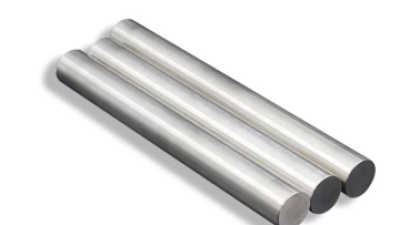
Choosing 416 Stainless Steel Bar: Ideal Material for Your Construction Projects
Choosing 416 Stainless Steel Bar: Ideal Material for Your Construction Projects
When it comes to selecting the right materials for construction projects, the type of stainless steel used can significantly impact the durability and longevity of the structures being built. Among the various options, 416 stainless steel stands out as an excellent choice. This alloy, primarily composed of iron, chromium, and nickel, features a precise chemical composition that not only offers impressive resistance to corrosion but also imparts desirable mechanical properties necessary for rigorous construction applications.
One of the key benefits of 416 stainless steel is its ability to withstand harsh environmental conditions while maintaining structural integrity. The high chromium content enhances its corrosion resistance, making it suitable for use in both indoor and outdoor projects. This durability ensures that structures built with 416 stainless steel can endure the test of time, reducing the need for frequent repairs or replacements. Additionally, its favorable mechanical properties, such as high strength and excellent machinability, allow for versatile applications in various construction scenarios.
Incorporating 416 stainless steel bars into your construction projects can lead to increased efficiency and lower long-term costs. As contractors and builders seek materials that provide both resilience and ease of use, the advantages of 416 stainless steel bars make them a top choice. By opting for this specific type of stainless steel, you are investing in a material that not only meets stringent construction requirements but also promises enhanced performance over time.
FAQS
: 316 steel is known for its superior corrosion resistance compared to other stainless steels, making it ideal for various industrial applications in harsh conditions.
Recent studies indicate that advancements in surface treatments can significantly enhance the longevity and maintenance of components made from 316 steel.
Research has shown that grain boundary engineering can mitigate corrosion, and studying temperature and pH effects helps predict 316 steel's performance accurately.
The strong work-hardening properties of 316 steel can complicate machining, making it harder to achieve desired shapes and finishes.
Its high nickel content increases susceptibility to weld defects like cracking and porosity, requiring precise temperature control and proper pre-heat treatments.
The choice of filler materials can significantly affect the quality of the weld, necessitating careful selection in the welding process.
316 steel is often used in marine, chemical, and food processing industries due to its excellent corrosion resistance.
They provide customized solutions to address specific needs, offering guidance on material selection and techniques for successful fabrication and welding of 316 steel.
Precise temperature control is crucial to reduce the risk of defects such as cracking and porosity in the welds.
Grain boundary engineering is a technique that has been found effective in mitigating corrosion, especially in applications such as fuel cells using 316 steel.
Conclusion
When you think about industrial applications, 316 Steel really stands out thanks to its incredible ability to withstand corrosive environments. Because of this, it's often the go-to choice across a bunch of different sectors. What's pretty impressive is how resistant it is to pitting and crevice corrosion — that means it can handle some pretty harsh conditions without giving up. You’ll see it used everywhere, from marine equipment to chemical processing plants, proving just how versatile and tough it is. That said, working with 316 Steel isn’t always smooth sailing — fabricating and welding it can be tricky because of its unique properties, often needing special techniques and extra care.
Of course, cost is a big deal too. While 316 Steel can save you money in the long run with its durability and performance, the initial investment and ongoing expenses are something to think about. Companies like XINYONGYUAN(SHANDONG) STEEL SALES CO., LTD. totally get these factors. They’re all about providing customized steel solutions that fit their clients’ specific needs, helping them take full advantage of 316 Steel’s benefits while steering clear of its challenges.

 Angle Steel
 Channel Steel
 Universal Beam (l-Beam)
 H-Beam Steel
 Galvalume Steel Coil
 Galvalume Steel Sheet
 Galvanized Steel Sheet
 Color Coated Plate
 Stainless Steel Bar
 Stainless Steel Pipe
 Steel Bar
 Wire Rope
 Carbon Steel Pipe
 Carbon Steel Plate
 Aluminum Plate
 Aluminum Coil
 Aluminum Pipe
 Aluminum Bar
 Magnesium Ingot
 Fasteners