When it comes to construction and manufacturing, choosing the right materials can really make or break the durability and performance of your project. One of the most popular and versatile options out there is welded Steel Pipe. It’s known for being strong, resistant to pressure, and pretty easy to work with, which is why you’ll see it everywhere — from plumbing and oil and gas transport to building structures and fabrication. As we move into 2023, it’s super important for both pros and DIY folks to stay in the loop about the best options out there.
In this article, I’ll be shedding some light on the top 10 welded steel pipes that really stand out — for their quality, reliability, and overall performance. We’ll look at different types, configurations, and specs to help you figure out which one is right for your project — whether it’s for construction, industrial work, or repairs. Knowing the ins and outs of each kind of welded steel pipe will give you the confidence to make smarter choices, helping your projects succeed and last longer. Whether you're after budget-friendly solutions or top-of-the-line performance, you’ll find the perfect fit in this list I’ve put together for you.
Understanding Welded Steel Pipe: Specifications and Standards
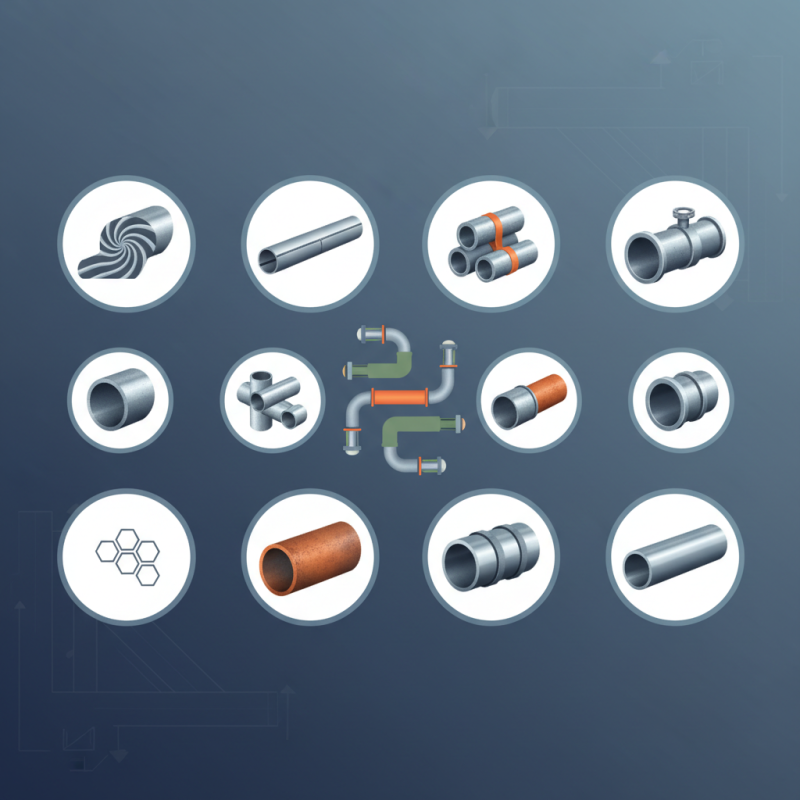
Welded steel pipes are critical components in various construction and industrial applications, valued for their strength and durability. Understanding the specifications and standards related to welded steel pipes is essential for ensuring they meet the requirements of your project. Typically, these pipes are manufactured following rigorous standards set by organizations like the American Society for Testing and Materials (ASTM) and the International Organization for Standardization (ISO). These specifications detail the materials used, dimensional tolerances, and mechanical properties, ensuring the product's reliability in high-pressure environments and long-term use.
When selecting welded steel pipes, it’s important to consider the pipe's grade and wall thickness in relation to the intended application. Different grades of steel provide varying levels of toughness and corrosion resistance, making it crucial to match the right pipe with the conditions it will face.
Tips: Always review the relevant industry standards and certifications before purchasing to ensure compliance with local regulations. Additionally, consider consulting with a structural engineer to evaluate the specific needs of your project, which can help in choosing the most appropriate welded steel pipe. Finally, don't overlook the importance of supplier reputation in delivering compliant and high-quality products, as this can significantly impact the success of your project.
Types of Welded Steel Pipe: ERW, SAW, and EFW Explained
Welded steel pipes are integral to various industrial applications due to their strength, durability, and cost-effectiveness. There are three primary types of welded steel pipes: Electric Resistance Welded (ERW), Submerged Arc Welded (SAW), and Electric Fusion Welded (EFW). Each type possesses unique characteristics suited to specific project requirements.
Erw Pipes are manufactured by rolling steel strips and welding them along the seam, resulting in a pipe with a uniform thickness. According to industry reports, ERW pipes are highly efficient for high-pressure applications, making up about 30% of the global steel pipe market in 2022. They are widely used in oil, gas, and water transmission due to their ability to withstand high-stress conditions.
SAW pipes, on the other hand, are produced using a submerged arc welding process, which makes them suitable for larger diameters and thicker walls. This method offers high-quality welds and is ideal for construction and infrastructure projects. A recent market analysis indicated that SAW pipe usage has increased by 15% in the last year, attributed to robust demand in pipeline projects and structural applications.
EFW pipes, combining aspects of both ERW and SAW production methods, provide additional options for applications requiring specific mechanical properties. The increasing focus on infrastructure development worldwide continues to bolster the demand for welded steel pipes in various sectors.
Key Factors to Consider When Choosing Welded Steel Pipe
When selecting welded steel pipes for your projects, several key factors should be at the forefront of your decision-making process. First and foremost, it's crucial to assess the pipe's thickness and diameter, as these specifications directly impact the pipe's strength and capacity to withstand various pressures. A thorough understanding of the intended application's requirements will guide you in choosing the appropriate dimensions that ensure both safety and functionality.
Another important consideration is the type of welding used in the fabrication of the steel pipe. There are different welding methods that can affect the overall structural integrity and durability of the pipe. For instance, processes such as ERW (Electric Resistance Welded) and SAW (Submerged Arc Welded) have distinct characteristics that may suit different project needs. Additionally, evaluating the quality control measures employed during production can provide insight into the reliability of the pipes you are considering, potentially minimizing future maintenance and replacement costs.
Lastly, consider the environmental factors that might affect the performance of the welded steel pipe in your specific application. Factors such as corrosion resistance, temperature variations, and exposure to chemicals should prompt an examination of the coating or treatment options available. Prioritizing these considerations will help ensure that the welded steel pipe not only meets regulatory standards but also performs effectively over its anticipated lifespan.
10 Best Welded Steel Pipe Options for Your Projects in 2023
This chart represents the tensile strength, corrosion resistance, and cost-effectiveness of different types of welded steel pipes recommended for various projects in 2023.
Comparison of Leading Welded Steel Pipe Manufacturers in 2023
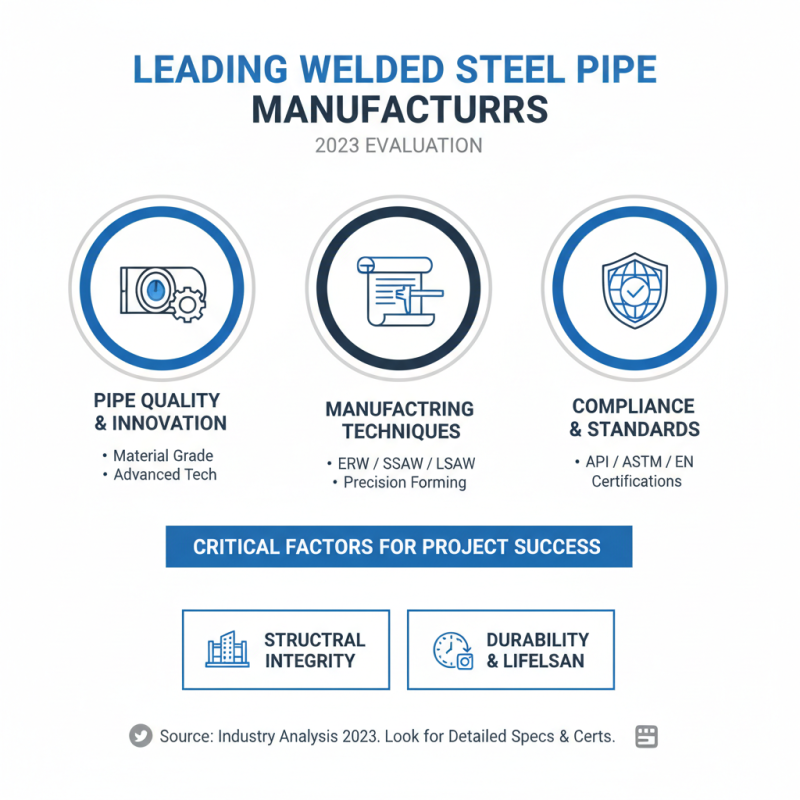
When evaluating the leading welded steel pipe manufacturers in 2023, several key factors come into play that can influence your project choices. The manufacturers differ in various aspects, including pipe quality, manufacturing techniques, and compliance with industry standards. Most reputable manufacturers provide detailed specifications and certifications for their products, ensuring that they meet the necessary requirements for structural integrity and durability, which are critical in construction and industrial applications.
Another significant consideration in comparing these manufacturers is their production capacity and distribution network. Companies that boast advanced production technologies can often deliver customized solutions tailored to unique project needs, while also maintaining consistency in quality. Additionally, a robust distribution network can expedite delivery times, which is essential for projects operating on tight schedules. Therefore, analyzing these elements will help project managers select the most suitable welded steel pipe option, aligning material performance with timeline and budget constraints.
Cost Analysis: Factors Influencing Welded Steel Pipe Pricing
When considering welded steel pipes for construction and manufacturing projects in 2023, understanding the cost factors is crucial for effective budgeting. A report by the Bureau of Labor Statistics indicates that the price of welded steel pipes has seen an increase of approximately 15% over the past year, primarily driven by fluctuations in raw material costs and labor shortages. The cost of steel itself accounts for nearly 70% of the overall pricing, and as global demand for steel continues to rise, these expenses are likely to be reflected in the final pricing of welded pipes.
Additionally, processing and manufacturing costs play a significant role in determining the price of welded steel pipes. The welding technique selected, labor costs in different regions, and overall efficiency in production lines can affect the cost dynamics. According to a market analysis by Industry Trends, logistical factors and transportation expenses also contribute an additional 5-10% to the pricing depending on the distance from manufacturing plants to project sites. Thus, when planning a project, it’s essential to consider these various influences to secure the best options available while staying within budgetary constraints.
Applications of Welded Steel Pipe in Various Industries
Welded steel pipes play a crucial role across a myriad of industries, owing to their strength, durability, and versatility. According to the latest industry reports, the construction sector remains the most significant consumer of welded steel pipes, accounting for approximately 55% of the total market share. These pipes are primarily utilized in structural applications, providing essential support in buildings, bridges, and frameworks.
Additionally, the oil and gas industry heavily relies on welded steel pipes for transportation and distribution, as their resistance to high pressure and corrosion ensures secure flow of resources.
In the manufacturing sector, welded steel pipes are used in various applications, including machinery and vehicle production. A report by the American Iron and Steel Institute indicates that over 30% of the welded steel pipes produced are used in such sectors, highlighting their importance in industrial settings. Furthermore, the water and wastewater treatment industry benefits from welded steel pipes due to their leak-proof nature and long lifespan, essential for maintaining environmental safety and operational efficiency.
Tip: When selecting welded steel pipes for your projects, consider factors like wall thickness and material grades, as these influence the pipe's performance under different conditions. Additionally, always verify specifications against industry standards to ensure compliance and safety in your applications.
Maintenance Tips for Longevity of Welded Steel Pipe Systems
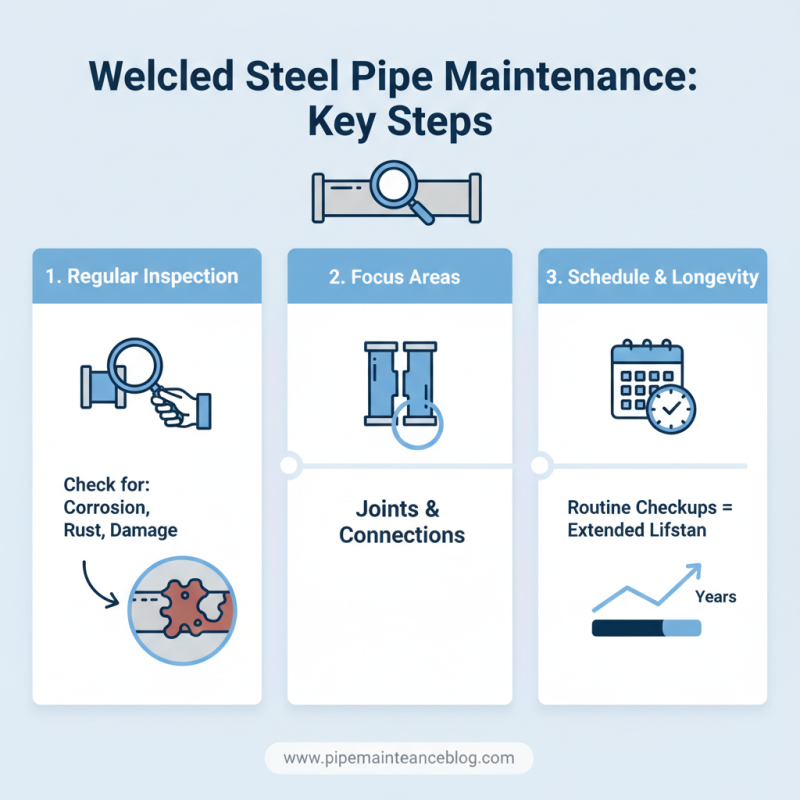
Maintaining welded steel pipe systems is crucial for ensuring longevity and optimal performance. One of the key steps in maintenance is regular inspection. Inspecting pipes for any signs of corrosion, rust, or physical damage helps identify issues before they escalate into significant problems. Pay special attention to joints and connections, as these are often the most vulnerable areas. Implementing a routine checkup schedule can significantly extend the lifespan of your welded steel pipes.
Another essential maintenance tip is to keep the pipes clean and free from debris. Over time, sediment and buildup can compromise the integrity of the piping system and affect flow rates. Establishing a cleaning protocol, which may include flushing the pipe system periodically or using specialized cleaning agents, can help mitigate these issues. Additionally, considering environmental factors, such as exposure to chemicals or extreme temperatures, can inform decisions on protective coatings or insulation methods to further enhance the durability of your welded steel pipe systems.
Maximizing Strength and Durability: The Advantages of High Tensile A36 Round Steel Bar in Industrial Applications
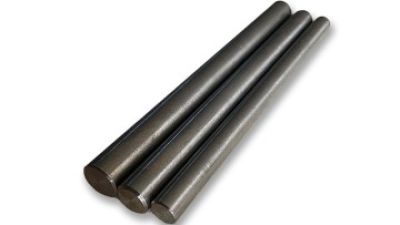
The industrial landscape continuously demands materials that not only meet rigorous operational standards but also enhance structural integrity. A36 round Steel Bar stands out in this regard, particularly due to its high tensile strength and durability. Composed primarily of low-carbon steel alloy with essential elements such as manganese and phosphorus, A36 exhibits impressive weldability and a robust yield strength of around 36,000 psi. These characteristics make it an ideal choice for various structural applications, where reliability is paramount.
Industry reports highlight that A36 steel is extensively used in construction, machinery fabrication, and various structural components due to its exceptional mechanical properties. According to the American Institute of Steel Construction (AISC), A36 steel accounts for a significant portion of structural steel usage, primarily because it provides an excellent balance between strength and ductility. Reputable studies indicate that A36 exhibits a tensile strength range of 58,000 to 80,000 psi, making it suitable for load-bearing applications such as beams, columns, and brackets.
Moreover, the versatility of A36 round steel bars allows for a variety of processing options, including forming, machining, and welding, significantly enhancing their applicability in complex industrial projects. Well-documented studies also reveal that the use of A36 in critical structural applications can lead to longer service life and reduced maintenance costs. By opting for A36 round steel bars, industries can maximize both strength and durability, thereby ensuring a reliable foundation for their structural needs.
FAQS
: The main types of welded steel pipes are Electric Resistance Welded (ERW), Submerged Arc Welded (SAW), and Electric Fusion Welded (EFW). Each type has unique characteristics suited for specific applications.
ERW pipes are welded along the seam, resulting in a uniform thickness which enhances their strength and ability to withstand high-stress conditions, making them efficient for high-pressure applications.
Important factors include the pipe's thickness and diameter, the type of welding used, quality control measures during production, and environmental factors that could affect performance.
Different welding methods, such as ERW and SAW, have distinct characteristics that can influence the structural integrity, durability, and suitability for various project needs.
Regular inspection for corrosion and physical damage, keeping pipes clean and free from debris, and considering protective coatings or insulation methods based on environmental factors are essential maintenance practices.
Environmental factors such as corrosion resistance, temperature variations, and exposure to chemicals can impact the performance and longevity of welded steel pipes, so it's important to choose appropriate treatments.
Routine inspections help identify early signs of issues like corrosion or physical damage, allowing for timely interventions that can prevent more significant problems and extend the overall lifespan of the pipes.
Quality control measures in the production of welded steel pipes ensure their reliability and durability, potentially reducing future maintenance and replacement costs.
The demand for welded steel pipes is influenced by factors such as infrastructure development and the needs of numerous sectors, leading to varying usage across different industrial applications.
Cleaning protocols help remove sediment and buildup that can compromise the integrity of the piping system and affect flow rates, which is crucial for optimal performance.
Conclusion
The article "10 Best Welded Steel Pipe Options for Your Projects in 2023" offers a comprehensive overview of welded steel pipes, including their specifications and industry standards. It explains the various types of welded steel pipes such as Electric Resistance Welded (ERW), Spiral Arc Welded (SAW), and Electric Fusion Welded (EFW), guiding readers to understand the best fit for their projects. Key considerations for selection, including durability, application needs, and environmental factors, are discussed to aid in informed decision-making.
Additionally, the article examines cost factors influencing welded steel pipe pricing, comparing top manufacturers in the market of 2023. It highlights the wide-ranging applications of welded steel pipes across industries, from construction to automotive, while providing vital maintenance tips to ensure the longevity of these systems. Overall, this resource serves as an essential guide for anyone looking to utilize welded steel pipes effectively in their projects.

 Angle Steel
 Channel Steel
 Universal Beam (l-Beam)
 H-Beam Steel
 Galvalume Steel Coil
 Galvalume Steel Sheet
 Galvanized Steel Sheet
 Color Coated Plate
 Stainless Steel Bar
 Stainless Steel Pipe
 Steel Bar
 Wire Rope
 Carbon Steel Pipe
 Carbon Steel Plate
 Aluminum Plate
 Aluminum Coil
 Aluminum Pipe
 Aluminum Bar
 Magnesium Ingot
 Fasteners