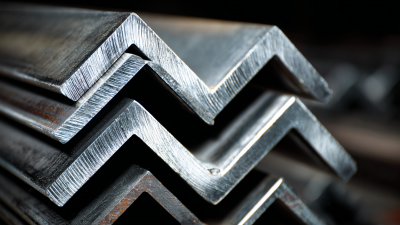
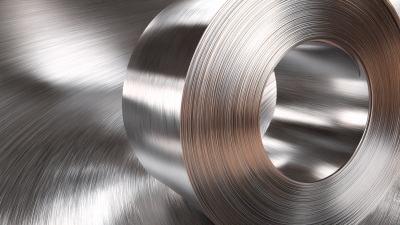
When you're deep into the world of construction and infrastructure projects, choosing the right materials really makes all the difference in how long your structures last and how well they perform. Among all the options out there, Steel Pipe definitely stands out as a dependable and flexible choice — it comes with so many benefits that can really boost the overall quality of any building or project. As the industry keeps changing and moving forward, it’s more important than ever to use top-notch materials like Steel Pipe, especially if you want to stay ahead of the game.
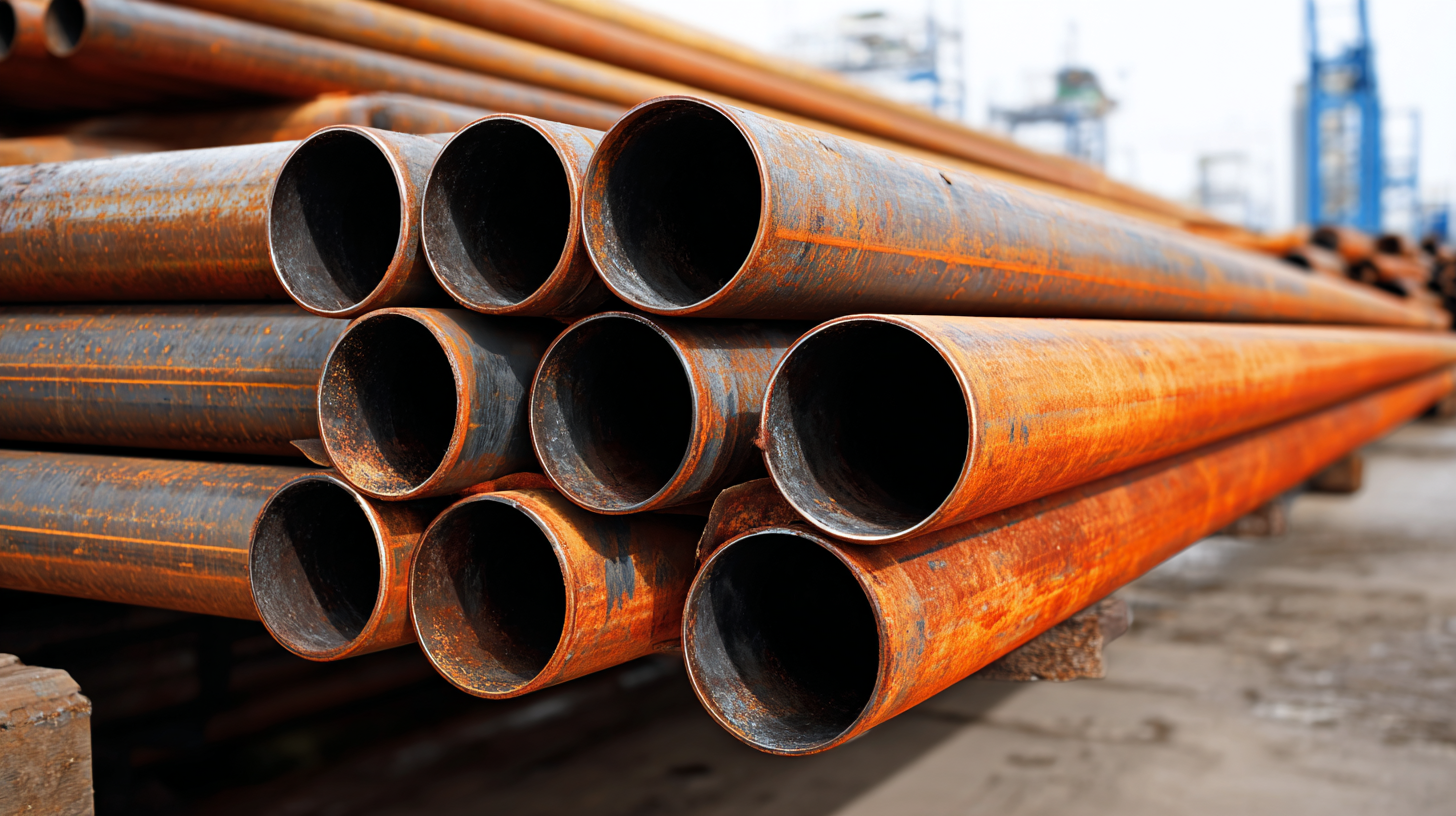 Here at XINYONGYUAN (SHANDONG) STEEL SALES CO., LTD., we're proud to be leading the way in material innovation. We offer a wide range of steel and non-ferrous metal raw materials, all tailored to meet the specific needs of our clients. Our focus is on providing reliable, customized steel solutions, and that really underscores why Steel Pipe should be a key part of any construction plan. With its high tensile strength, great resistance to corrosion, and cost-effectiveness, Steel Pipe plays a crucial role in making sure modern infrastructure projects are built to last and stay stable.
In this article, I’ll walk you through the top 10 perks of using Steel Pipe and show how our products help achieve awesome project results.
Advantages of Steel Pipes for Structural Integrity in Construction
Steel pipes offer significant advantages for maintaining structural integrity in construction and infrastructure projects. One of the primary benefits is their exceptional strength-to-weight ratio, which allows for lightweight designs that do not compromise load-bearing capabilities. This characteristic is vital in high-rise buildings and bridges, where minimizing material weight can lead to cost savings and enhanced structural performance. Furthermore, steel's resistance to deformation under stress ensures that structures remain stable and secure over time.
Another essential advantage of steel pipes is their durability and longevity. Steel is inherently resistant to various environmental factors, including corrosion and extreme weather conditions, especially when treated with protective coatings. This resilience extends the lifespan of infrastructure projects, reducing the need for frequent repairs or replacements. Additionally, steel pipes are versatile and can be customized to meet specific project requirements, allowing engineers and architects to design innovative solutions that enhance overall stability and safety. By utilizing steel pipes, construction professionals can ensure robust structural integrity while optimizing resources and reducing long-term maintenance costs.
Top 10 Benefits of Using Steel Pipes in Construction
Cost-Effectiveness of Steel Pipes in Infrastructure Development
In the realm of construction and infrastructure projects, the cost-effectiveness of steel pipes is a significant advantage that cannot be overlooked. Steel pipes are not only affordable in terms of initial procurement but also offer long-term savings due to their durability and low maintenance requirements. When considering the lifecycle costs of materials, steel pipes emerge as a prudent choice, minimizing expenses related to repairs and replacements over time.
Tips: When budgeting for a construction project, consider the initial and long-term costs of materials. Opting for steel pipes can lead to substantial savings in the maintenance phase, enhancing overall project efficiency.
Furthermore, steel pipes can facilitate faster construction timelines. Their lightweight nature makes them easy to handle and install, which ultimately reduces labor costs. With quicker installation processes, projects can adhere to tight schedules without compromising quality.
Tips: Always evaluate the ease of installation when selecting materials. Steel pipes can shorten project timelines, allowing for smoother operations and timely project completion. Prioritize suppliers offering readily available steel pipes to mitigate delays in procurement.
Durability and Longevity of Steel Pipes in Harsh Environments
The durability and longevity of steel pipes make them an invaluable asset in construction and infrastructure projects, especially in harsh environments. As the Stainless Steel Seamless Pipes Market is projected to reach USD 5.15 billion by 2030, the demand for resilient materials continues to rise. Steel pipes, known for their strength, corrosion resistance, and impact durability, are capable of withstanding extreme weather conditions and aggressive chemicals, ensuring structural integrity over the long term.
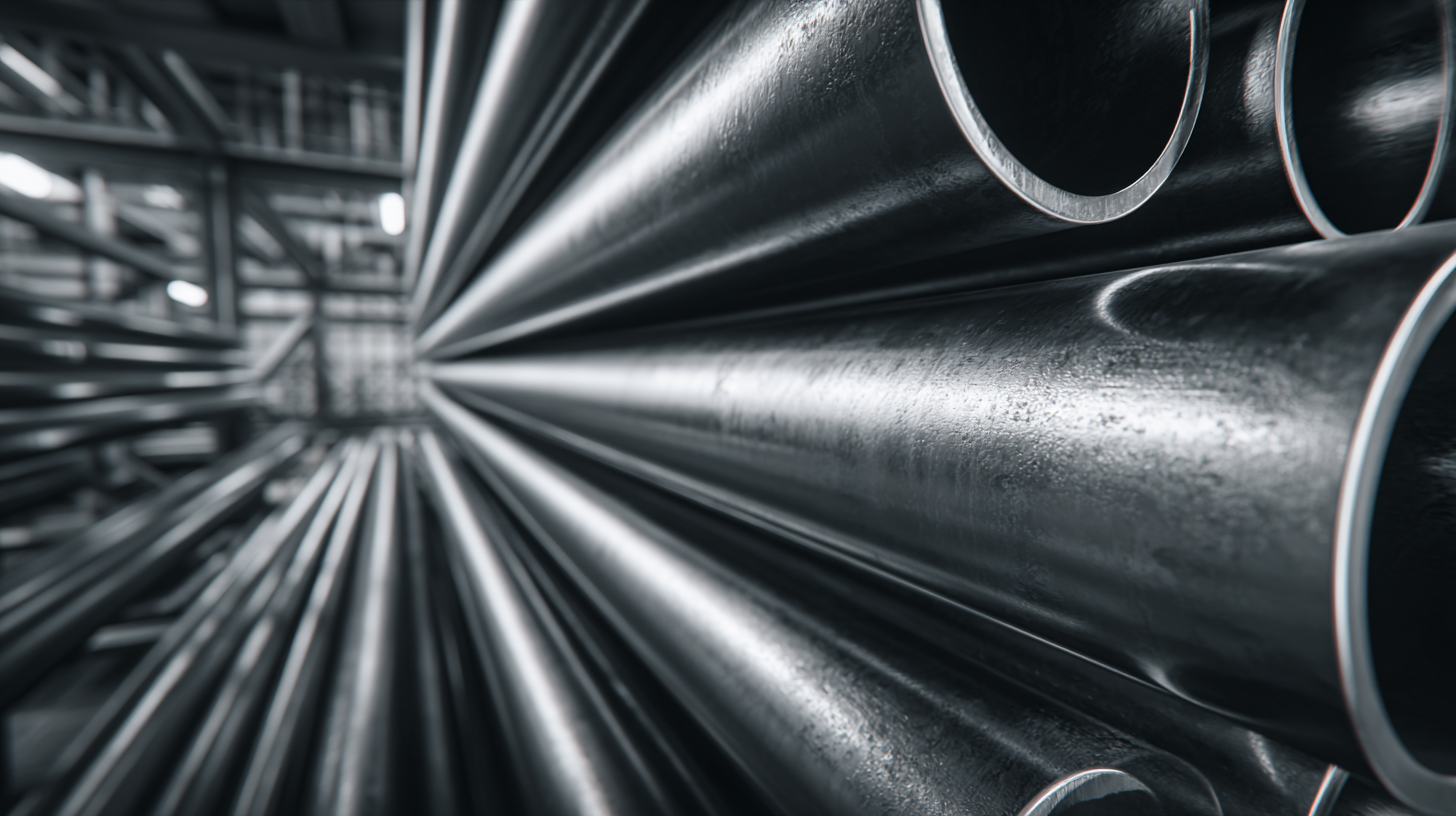
Moreover, the carbon steel tubing market for oil and gas lift applications is anticipated to grow significantly, from USD 6.18 billion in 2025 to USD 8.56 billion by 2035. This growth is largely due to the increasing reliance on steel's robustness in critical sectors, where both safety and performance are paramount. Additionally, innovations such as advanced electrofusion fittings are enhancing jointing quality, further reinforcing the reliability of steel pipes in various applications. As the infrastructure landscape evolves, the utilization of steel pipes will undoubtedly continue to play a pivotal role in meeting the demands of modern construction.
Eco-Friendly Aspects of Using Steel Pipes in Building Projects
The use of steel pipes in construction and infrastructure projects has gained significant attention not only for their structural benefits but also for their eco-friendly aspects. One of the primary environmental advantages of steel pipes is their recyclability. Steel is a material that can be recycled multiple times without losing its integrity or properties, which significantly reduces the demand for new materials and helps conserve natural resources. This process not only minimizes waste but also cuts down energy consumption associated with producing new steel.
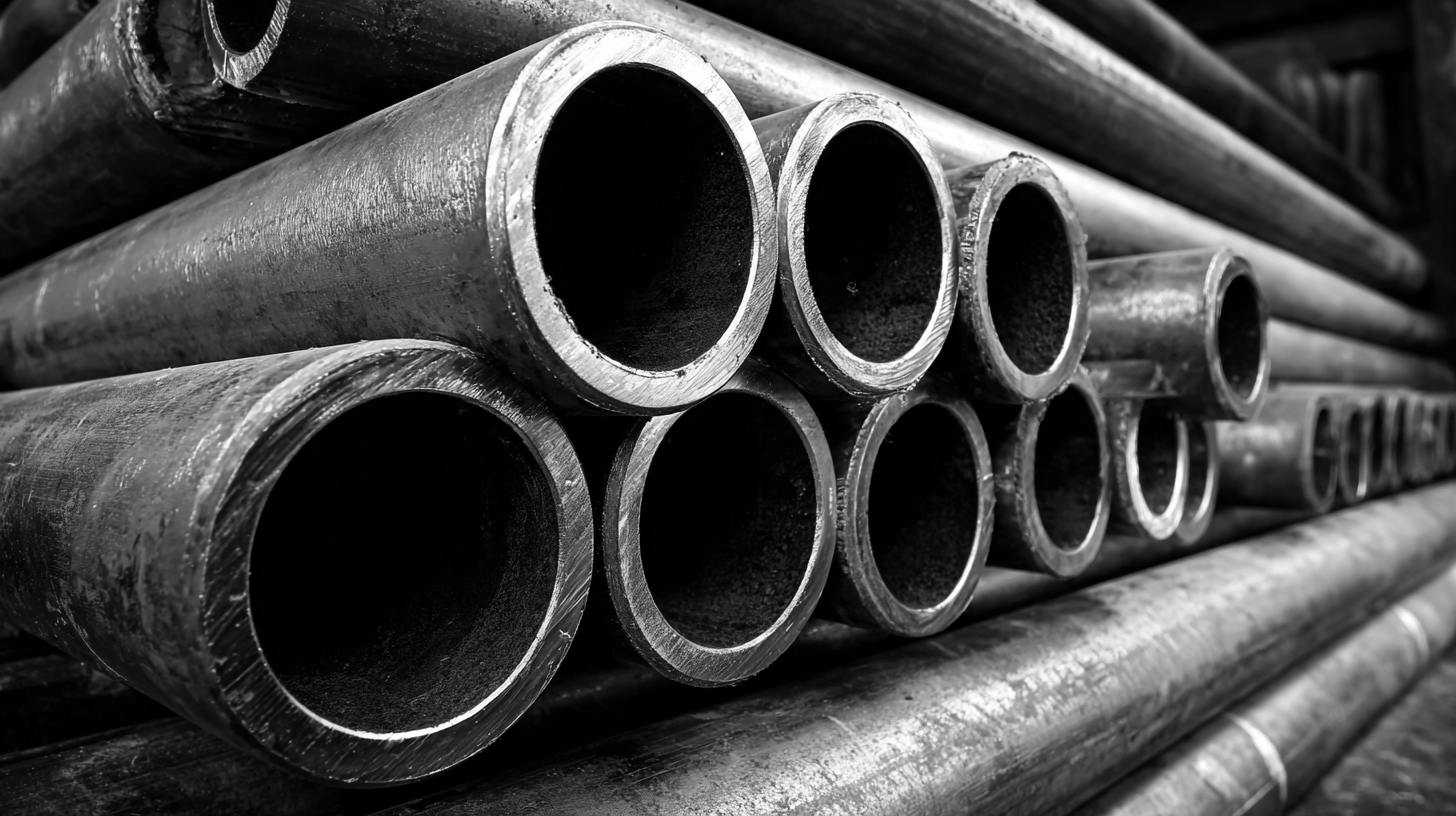
Furthermore, the durability of steel pipes contributes to long-lasting infrastructures, reducing the need for frequent repairs or replacements. This longevity mitigates the environmental impact associated with manufacturing and transporting new materials, as fewer resources and energy are consumed over the lifespan of a project. Steel pipes also boast excellent resistance to corrosion and weathering, ensuring they maintain their functionality in various environmental conditions. By choosing steel pipes, construction projects can align with sustainable practices, leading to an overall reduction in their carbon footprint and promoting a healthier planet.
Versatility of Steel Pipes in Various Construction Applications
Steel pipes are increasingly recognized for their versatility in various construction applications. With properties such as high tensile strength, corrosion resistance, and durability, steel pipes are suitable for a wide array of infrastructure projects, from water supply systems to structural supports. According to a recent industry report, the global steel pipe market is projected to reach USD 100 billion by 2025, underscoring the growing reliance on steel pipes in modern construction.
One of the primary advantages of steel pipes is their adaptability across different environments and uses. They can be employed in residential buildings, commercial properties, and large-scale infrastructure projects like bridges and tunnels. The electric resistance welded (ERW) steel pipes, in particular, have gained traction due to their cost-effectiveness and efficiency in manufacturing. Analysts note that the use of ERW pipes is expected to grow by approximately 5% annually, propelled by their application in oil and gas pipelines, sewage systems, and other essential utilities. With such advancements, steel pipes are poised to remain a fundamental component in the construction industry.
Top 10 Benefits of Using Steel Pipes in Construction and Infrastructure Projects
| Benefit | Description | Application Areas |
| Durability | Steel pipes are robust and can withstand extreme weather conditions. | Infrastructure, Municipal Water, Oil & Gas |
| Corrosion Resistance | Modern steel pipes can be treated to resist corrosion, prolonging their lifespan. | Water Supply Systems, Industrial Applications |
| High Load Bearing Capacity | Steel pipes can support high loads, making them suitable for heavy infrastructure. | Bridges, Highways, Buildings |
| Versatility | Can be used in a variety of applications due to their modular design. | Construction, Plumbing, HVAC |
| Cost-Effective | Long-term savings through durability and low maintenance costs. | Commercial Construction, Industrial Sites |
| Ease of Installation | Pre-manufactured sections can be quickly assembled on-site. | Building Projects, Infrastructure Development |
| Fire Resistance | Steel has a high melting point and resists fire, enhancing safety. | High-Rise Buildings, Industrial Plants |
| Sustainability | Steel is recyclable, making it an environmentally friendly choice. | Green Building Projects, Infrastructure |
| Aesthetic Appeal | Can be used for structural and decorative purposes in architecture. | Architectural Design, Facades |
| Resistance to Environmental Factors | Withstand factors like soil deterioration and moisture. | Underground Utilities, Drainage Systems |
Enhanced Safety Features of Steel Pipes in Civil Engineering
Steel pipes offer significant enhanced safety features in civil engineering, making them a preferred choice for construction and infrastructure projects. Their inherent strength and durability ensure they can withstand extreme conditions, reducing the risk of structural failures. With properties that resist corrosion and wear, steel pipes maintain their integrity over time, providing long-term safety for critical applications such as water supply systems and sewage disposal.
At XINYONGYUAN(SHANDONG) STEEL SALES CO., LTD., we recognize the importance of reliable materials in promoting safety and efficiency across various projects. Our commitment to providing high-quality steel and non-ferrous metals means that our clients can trust that their infrastructure will not only meet but exceed safety standards. By partnering with us, customers gain access to customizable steel solutions tailored to their specific project needs, ensuring both safety and structural integrity in every installation.
FAQS
: The primary advantages of using steel pipes in construction include their exceptional strength-to-weight ratio, which allows for lightweight designs that maintain load-bearing capabilities, and their durability against environmental factors such as corrosion and extreme weather.
Steel pipes contribute to cost savings by minimizing material weight, which can reduce overall construction costs while enhancing structural performance, especially in high-rise buildings and bridges.
Resistance to deformation under stress is crucial as it ensures that structures remain stable and secure over time, preventing structural failures and maintaining safety.
The durability of steel pipes extends the lifespan of infrastructure projects, reducing the need for frequent repairs or replacements, and thereby lowering long-term maintenance costs.
Steel pipes can be customized in various ways, including different sizes, shapes, and protective coatings, allowing engineers and architects to design innovative solutions that enhance stability and safety.
Steel pipes enhance safety in civil engineering by being able to withstand extreme conditions and resist corrosion and wear, thus maintaining their integrity over time for critical applications like water supply and sewage systems.
Partnering with a reliable steel supplier ensures access to high-quality materials that meet safety standards, and offers customizable solutions tailored to project needs to enhance both safety and structural integrity.
Protective coatings on steel pipes enhance their resistance to corrosion and environmental factors, thereby increasing their durability and overall lifespan in construction applications.
Yes, steel pipes are versatile and can be used for both structural applications, such as frameworks and load-bearing installations, as well as non-structural applications like plumbing and drainage systems.
Steel pipes generally offer superior structural integrity compared to many other materials due to their high strength, durability, and ability to resist deformation, making them a preferred choice in construction and infrastructure projects.
Conclusion
The use of steel pipes in construction and infrastructure projects offers numerous advantages that contribute to enhanced structural integrity and cost-effectiveness. Steel pipes are renowned for their durability, enabling them to withstand harsh environments, thereby ensuring longevity in various applications. Additionally, their versatility allows for widespread use across different construction projects, making them a preferred choice among engineers.
Moreover, the eco-friendly aspects of steel pipes align with modern sustainability goals, as they can be recycled and reused, minimizing environmental impacts. Enhanced safety features further position steel pipes as a reliable option in civil engineering. At XINYONGYUAN (SHANDONG) STEEL SALES CO., LTD., we specialize in providing high-quality steel pipes and customized metal solutions, reinforcing our commitment to supporting the construction and infrastructure sectors with responsible and innovative materials.

 Angle Steel
 Channel Steel
 Universal Beam (l-Beam)
 H-Beam Steel
 Galvalume Steel Coil
 Galvalume Steel Sheet
 Galvanized Steel Sheet
 Color Coated Plate
 Stainless Steel Bar
 Stainless Steel Pipe
 Steel Bar
 Wire Rope
 Carbon Steel Pipe
 Carbon Steel Plate
 Aluminum Plate
 Aluminum Coil
 Aluminum Pipe
 Aluminum Bar
 Magnesium Ingot
 Fasteners